
Aster Yellows in Main Line PA
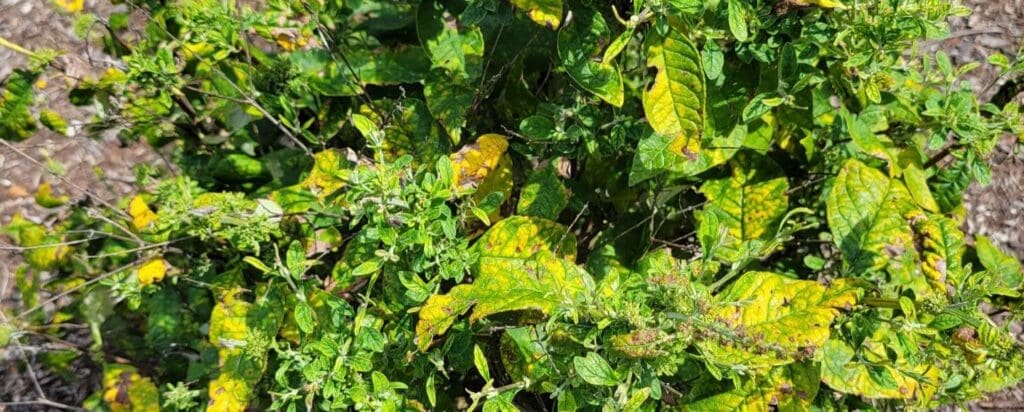
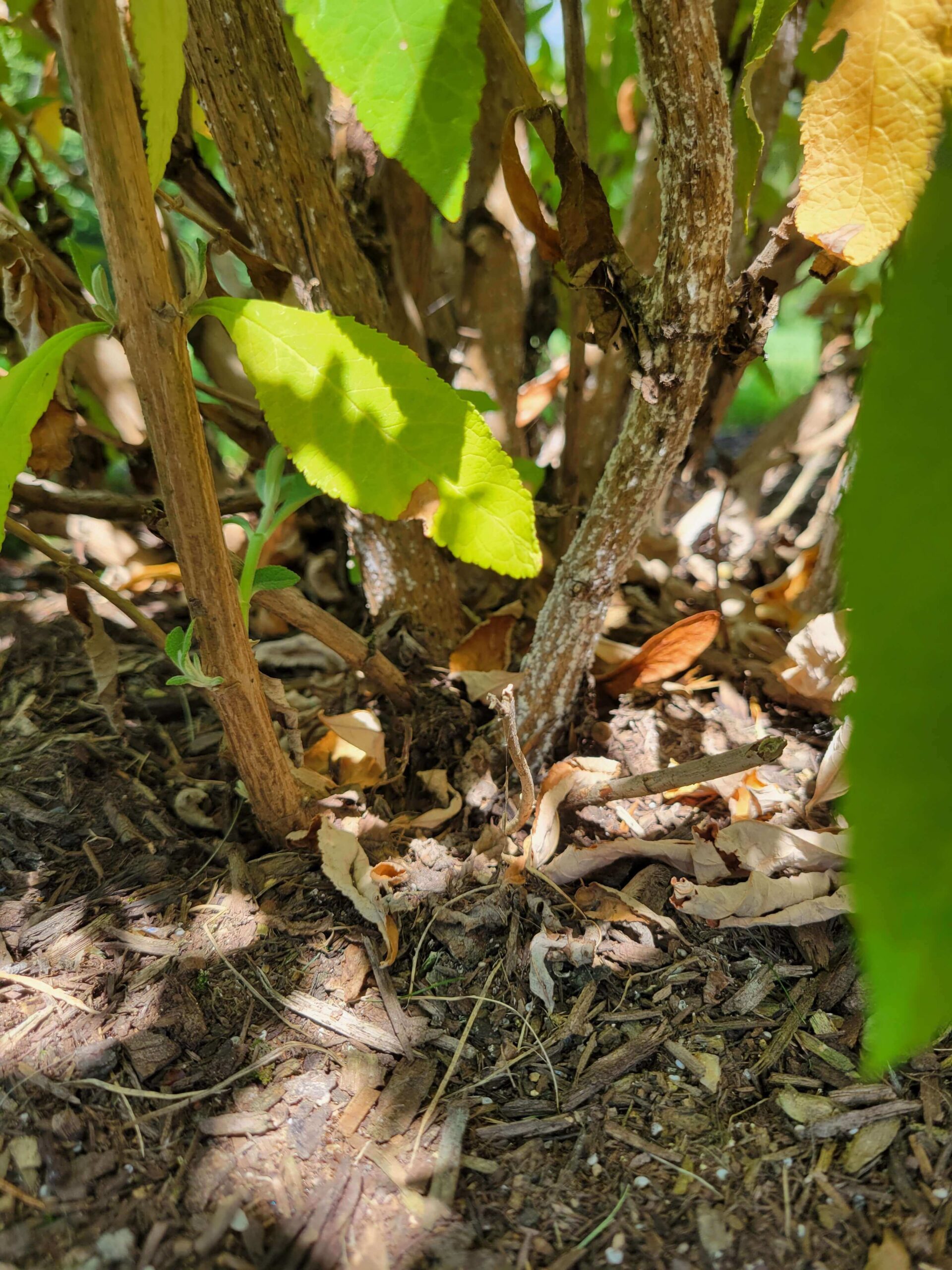
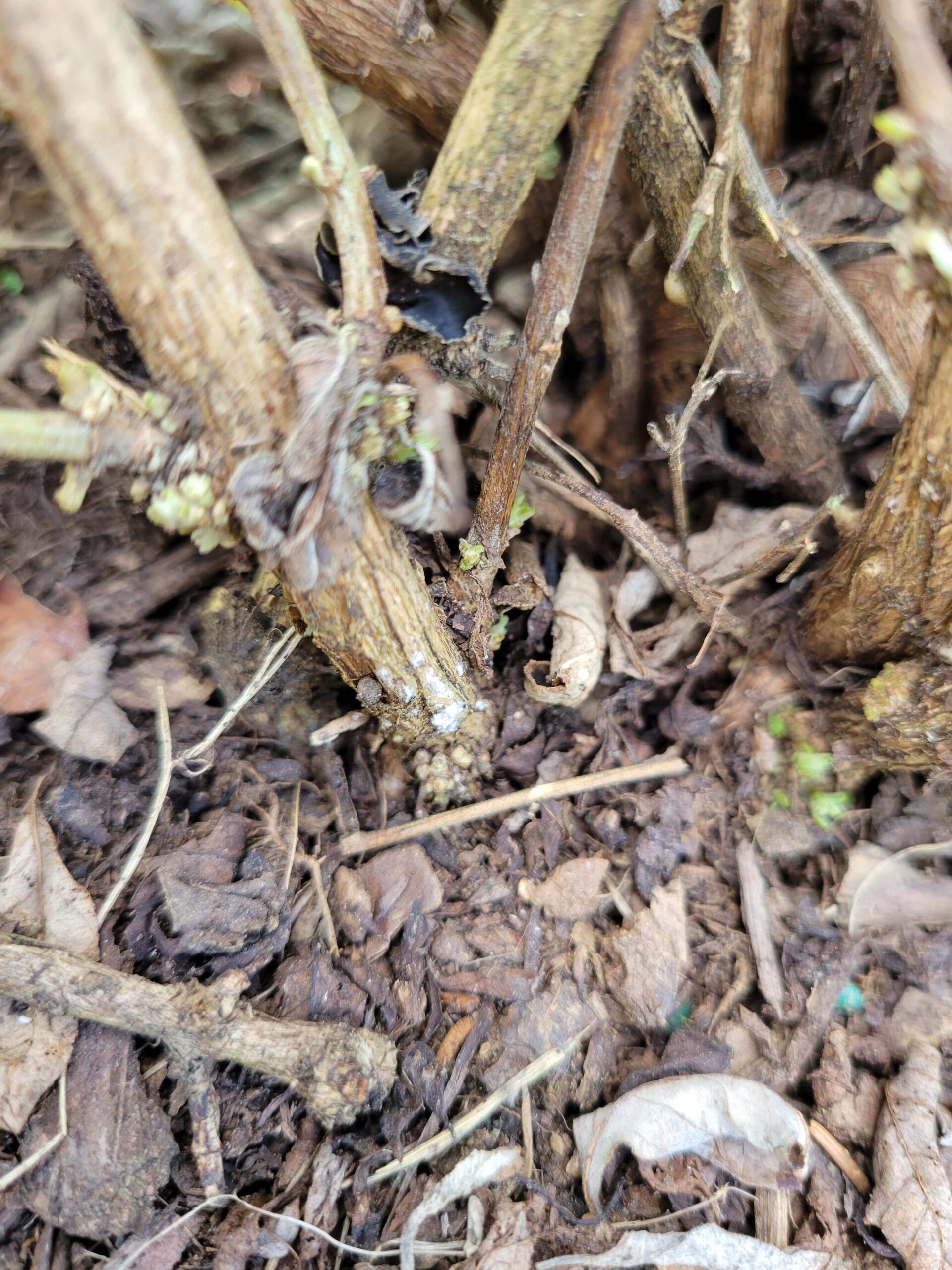
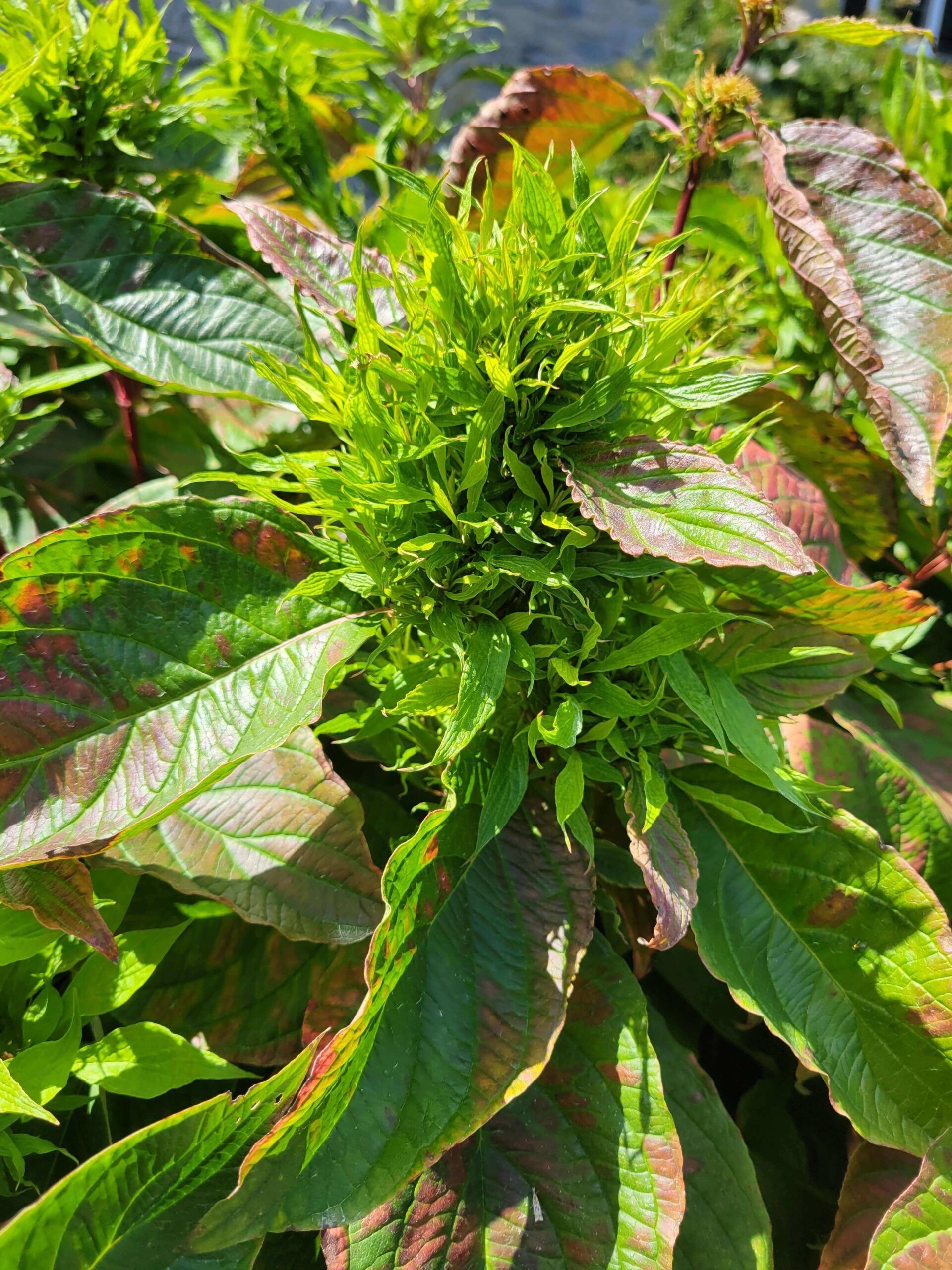
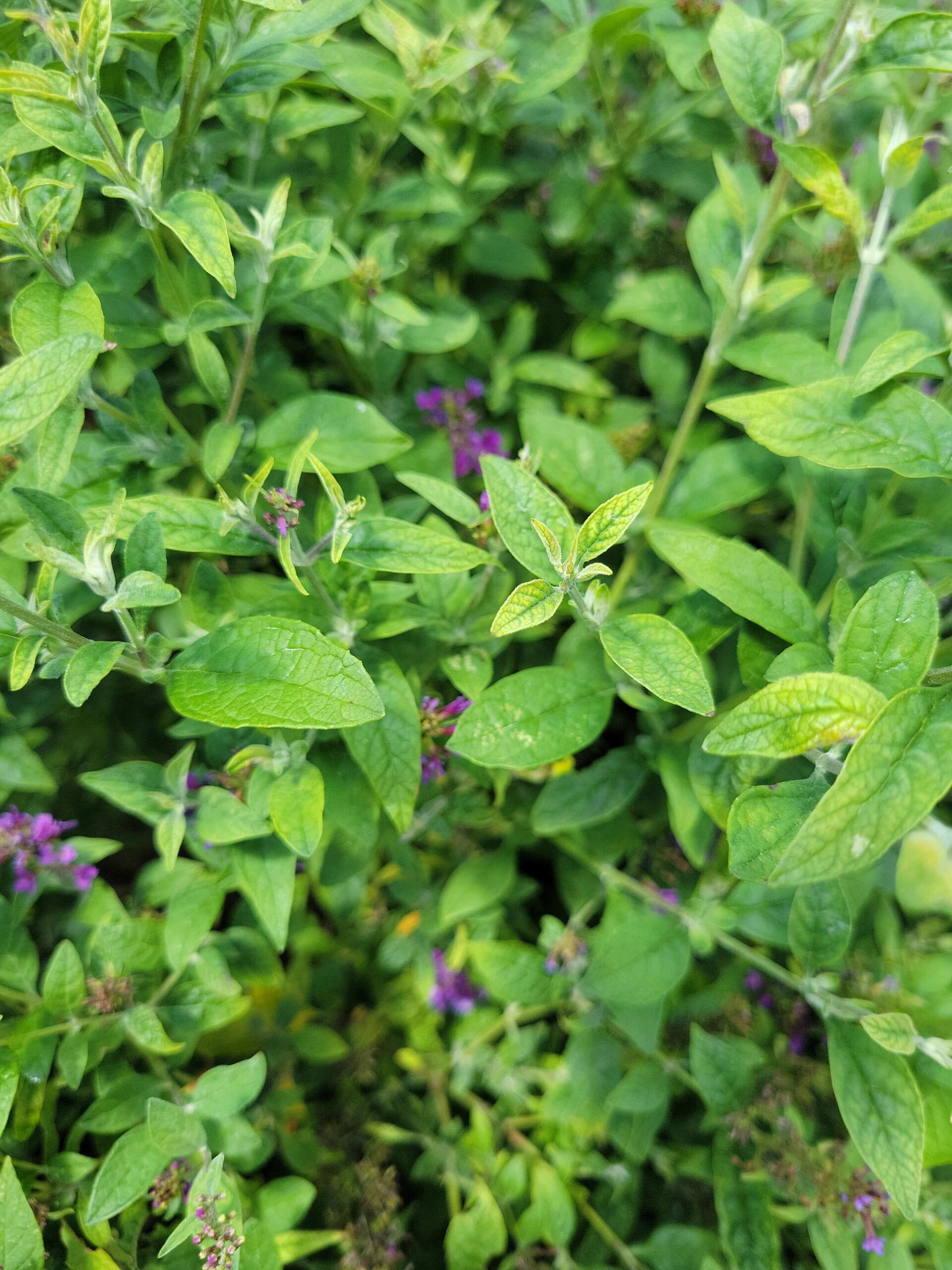
Aster yellows is a disease that affects a broad range of plant species. This year is the first time we have seen this disease in ornamental plants in the Main Line area of Pennsylvania, and we have recently begun treatment on butterfly bushes and twig dogwoods in a local landscape. As plant health care experts, we know this disease is a threat to local landscape plants and trees, so below we discuss the symptoms and the impact on various plant species, because recognition and early treatment are vital for treating for this disease effectively.
Learn About Seasonal PHC Issues
What is Aster Yellows?
Aster yellows is a plant disease caused by a unique type of bacteria known as a phytoplasma. Unlike typical bacteria, phytoplasmas lack a cell wall, making them similar to viruses in behavior. They are transmitted primarily by leafhoppers that carry the phytoplasma from infected plants to healthy ones.
Types of Plants Affected by Aster Yellows
Aster yellows affects over 300 species of plants. Most commonly associated with members of the Asteraceae family, which includes asters, daisies, and sunflowers, the disease also impacts a wide variety of other plants, including:
- Vegetables: Lettuce, carrots, and potatoes are particularly susceptible.
- Herbs: Parsley and cilantro are often affected.
- Ornamentals: Marigolds, petunias, and chrysanthemums are just a few of the vulnerable species.
- Weeds: Common weeds like dandelions and plantains are common targets.
This wide range of hosts makes controlling aster yellows particularly challenging, as the disease is carried between different types of plants within a garden or landscape.
Symptoms and Effects of Aster Yellows
The symptoms of aster yellows can vary depending on the plant species, but there are some common signs to look out for:
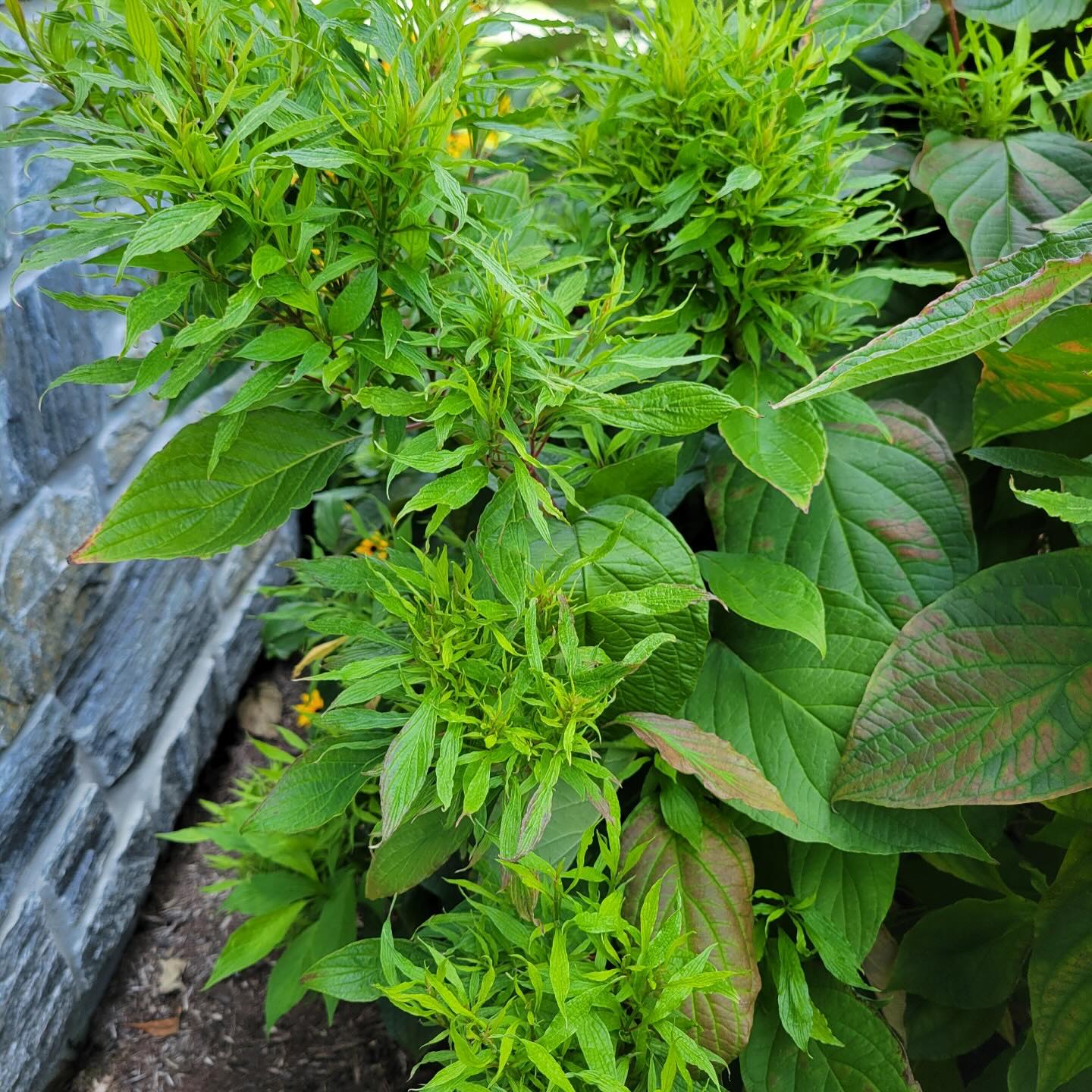
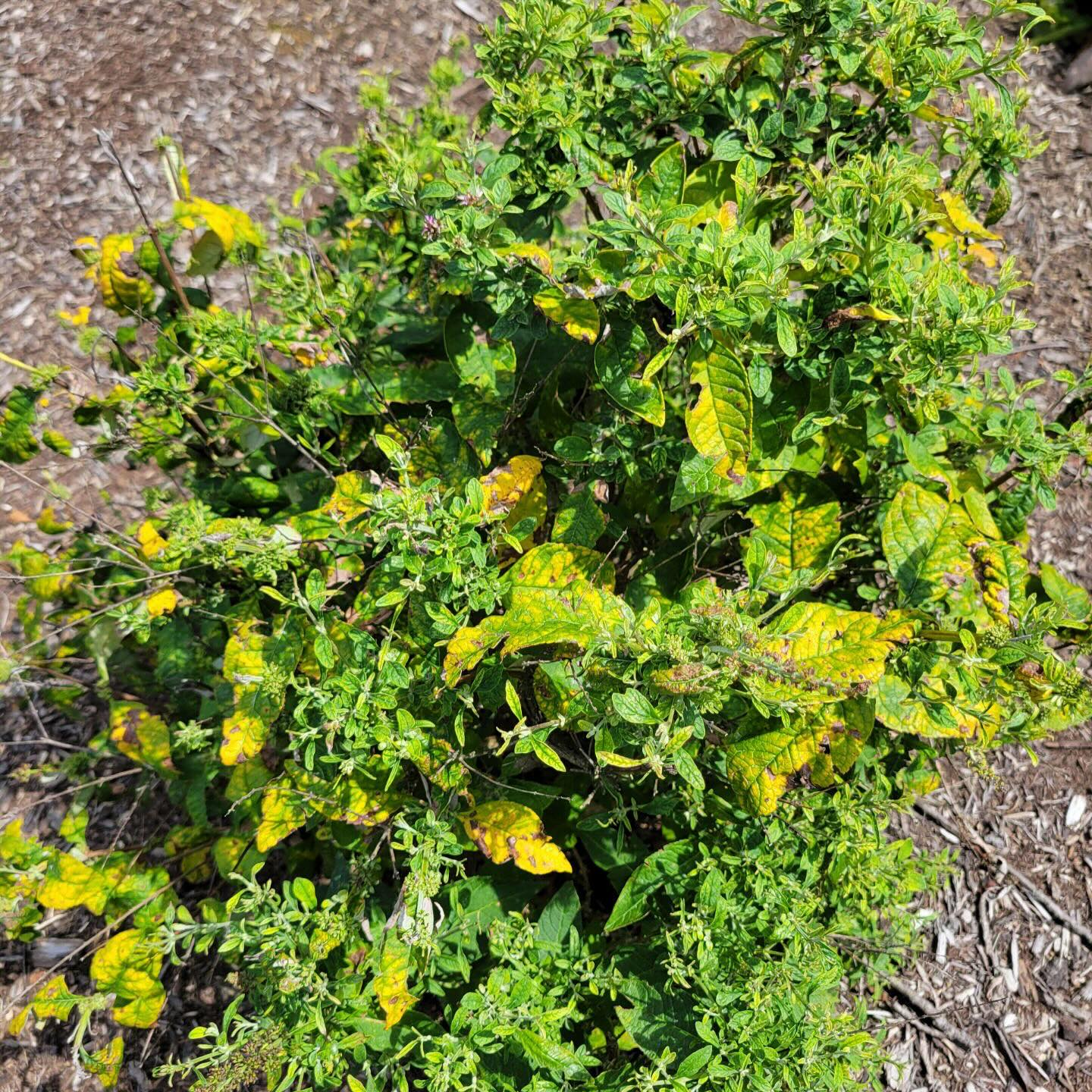
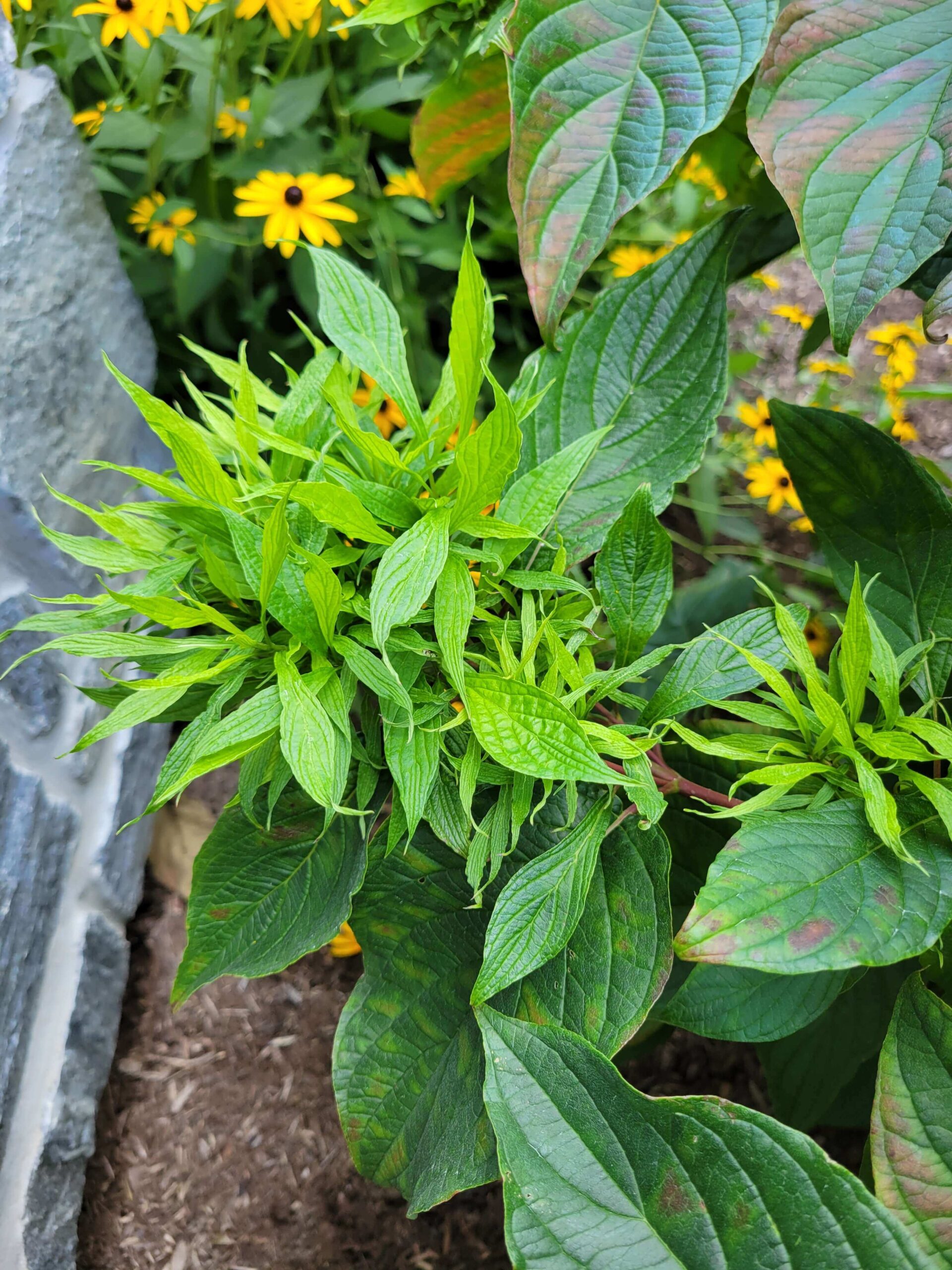
- Yellowing of Leaves: One of the first signs is paleness/yellowing of foliage, which often starts in the veins and spreads outward. Leaves can also take on a red or purple coloration.
- Stunted Growth: Infected plants often exhibit stunted growth, with leaves and stems remaining small and underdeveloped.
- Distorted Flowers: Flowers may become deformed, displaying unusual shapes, colors, or excessive green pigmentation. This symptom can lead to poor or non-existent seed production.
- Witches’ Broom: Some plants may develop a “witches’ broom” effect, where a cluster of small, weak stems grows from a single point, giving the appearance of a broom.
These symptoms reduce the aesthetic value of ornamental plants and can also significantly impact the yield and quality of vegetable plants. If the disease is unchecked, the plant can die. Typically, perennials that become infected die within one season after infection.
Factors that Facilitate the Spread
- High Mobility of Leafhoppers: Leafhoppers are highly mobile and can travel significant distances, carrying the phytoplasma to new areas. This factor makes containing the disease within a specific garden or landscape challenging.
- Wide Host Range: Because aster yellows can affect so many plant species, the disease can find numerous new plants to infect, especially in diverse gardens where many susceptible species are grown.
- Environmental Conditions: The Main Line area of Pennsylvania has hot summers and cold, snowy winters, creating an environment wherein aster yellows can thrive.
Because the disease can spread easily, taking early action is important, including removing infected plants and controlling leafhopper populations.
Managing and Treating Aster Yellows
Unfortunately, once a plant is infected, there is no cure for aster yellows. However, several strategies can be used to manage and reduce the spread of the disease.
- Remove Infected Plants: Regular plant inspection is essential. If symptoms are noted, plant health care professionals may determine that removal of the infected plants is necessary.
- Control Leafhoppers: Since leafhoppers are the method of spread for aster yellows, controlling their population is crucial. Use insecticidal soaps or horticultural oils to reduce leafhopper numbers, especially during the peak growing season. Regularly inspect plants for signs of these insects.
- Weed Management: Weeds can serve as reservoirs for the disease, so keeping gardens and landscapes free of weeds is an excellent preventive measure.
- Choose Resistant Varieties: While no plants are entirely immune to aster yellows, some cultivars show greater resistance. When selecting plants for your garden, opt for varieties known to be less susceptible to the disease. Some choices that are usually less vulnerable are woody ornamentals and geraniums.
- Promote Plant Health: Healthy plants are generally better able to withstand and survive diseases. Ensure your plants receive adequate water, nutrients, and care to bolster their natural defenses.
Contact Burkholder PHC for Aster Yellows Treatment in PA
Aster yellows is a challenging disease for gardeners and landscapers. Regular monitoring, prompt action, and good cultural practices are the best defenses against this persistent and damaging plant disease. Our team of plant health care experts inspect landscapes and are trained to recognize potential plant problems and diseases. Contact us for a free plant health care consultation.
Recent Posts
Beech Leaf Disease Update December 2025
Science-Based Protection for Your Beech Trees from Certified Arborists and Plant Biologists Beech leaf disease is killing trees across southeastern Pennsylvania. American beech, European beech, copper beech, weeping beech—all are…

Upgrade Your Outdoor Living Space with Outdoor Lighting
Your outdoor spaces add real livable area to your home: places to gather, relax, and enjoy the landscape you’ve invested in. The right landscape lighting makes those spaces welcoming after…

Why Investing in Landscape Design Pays for Itself
What Value Does a Landscape Design Offer? A beautifully landscaped yard isn’t just a visual delight, it’s a strategic investment that boosts your property’s value, simplifies ongoing maintenance, and creates…