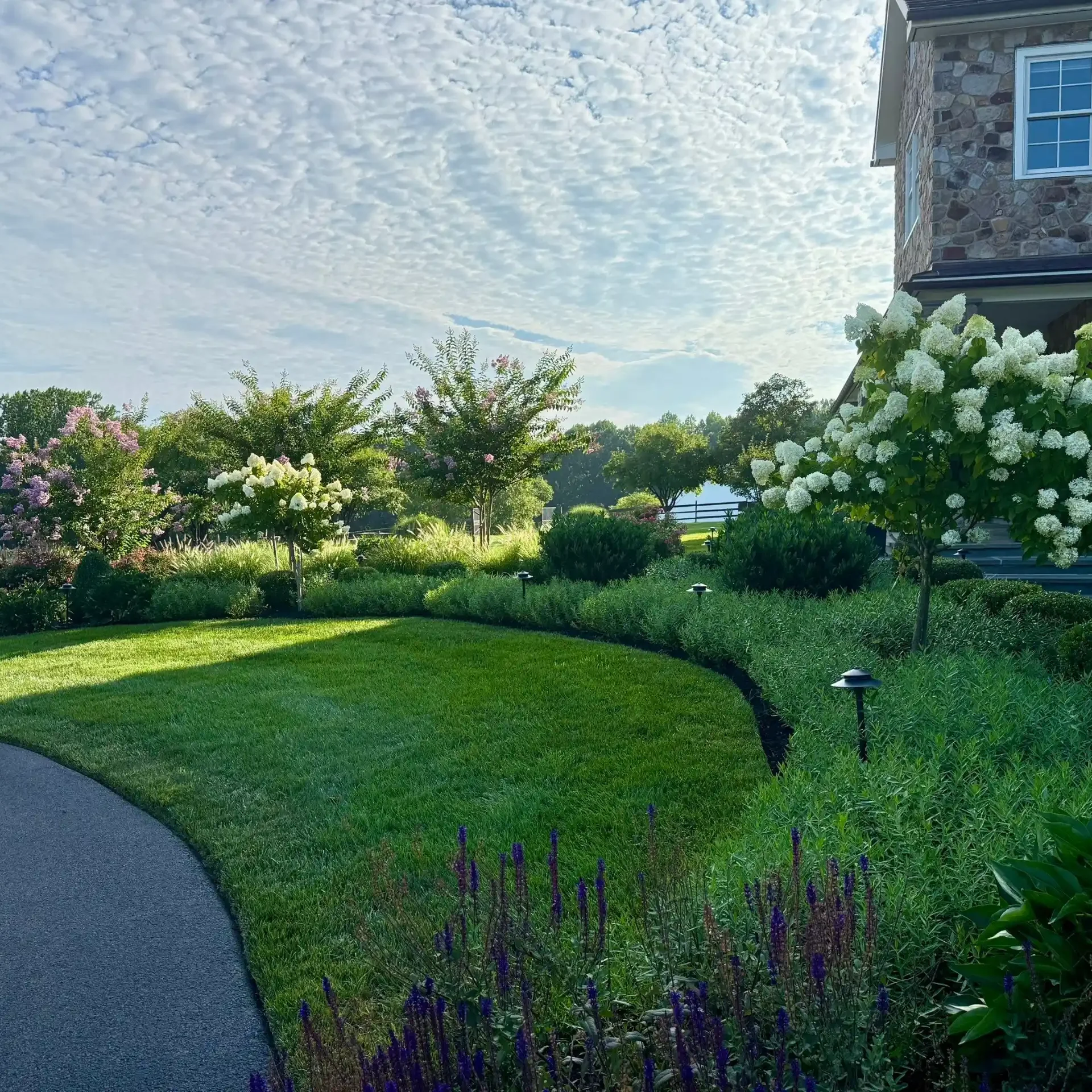
Clear Answers for a Healthier Landscape and Fewer Costly Surprises
When trees, shrubs, and planting beds begin to decline, the cause is rarely obvious. Yellowing leaves, thinning branches, insect activity, poor soil conditions, weather stress, and deer damage can all point to different problems. These plant health care FAQs give homeowners in Malvern, Pennsylvania, a clearer way to understand what may be happening before damage becomes harder to correct.
Plant health care protects the living structure of your landscape. It helps preserve mature trees, strengthen new plantings, manage pests and disease, and support the long-term value of the property. For homes in Malvern, PA, Burkholder brings certified arborist knowledge, local plant biology experience, and ongoing care shaped around the way your landscape is actually performing.
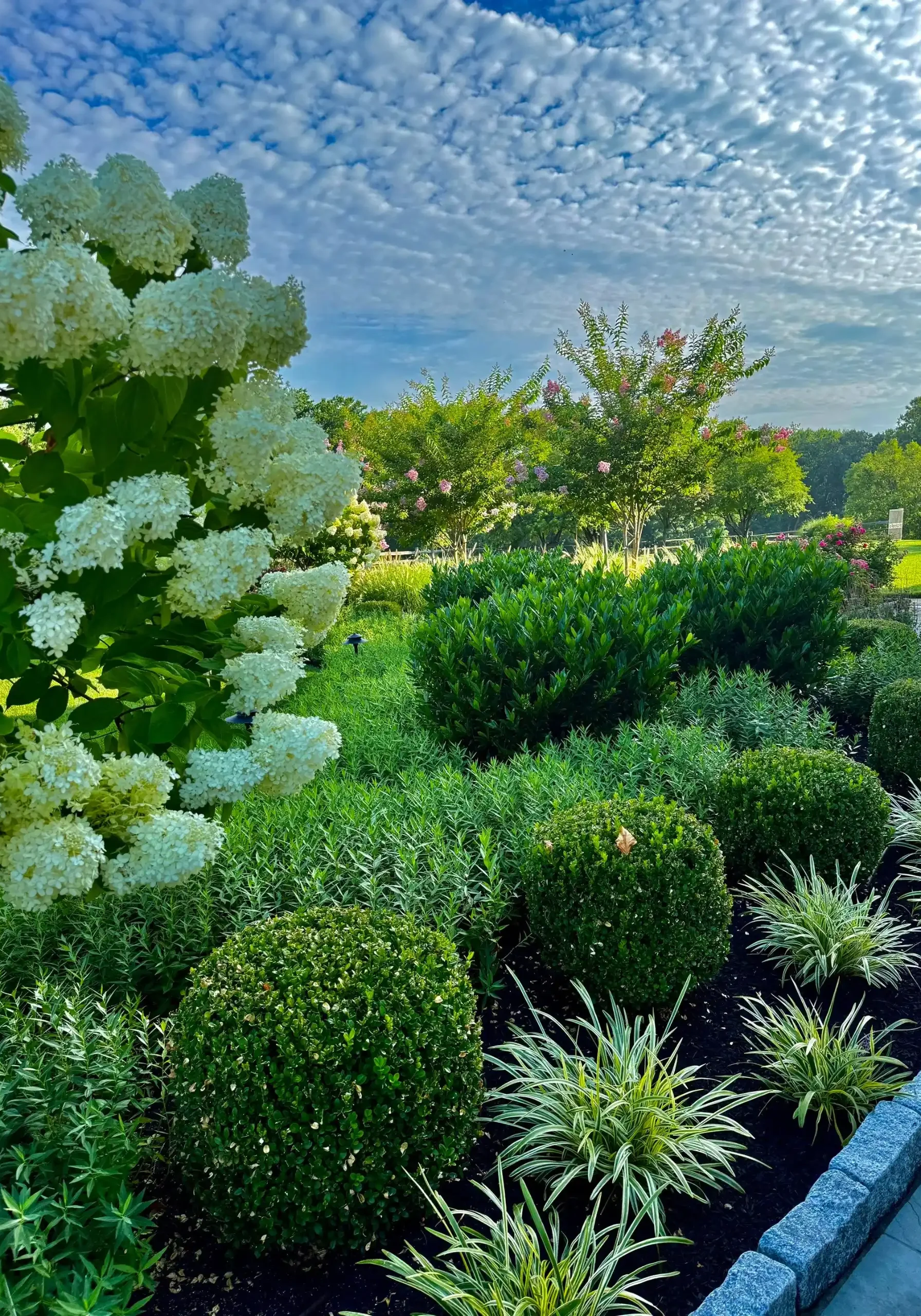
Questions That Help You Protect the Landscape You Already Have
Plant health care is the inspection, diagnosis, treatment, and ongoing support of trees, shrubs, and ornamental plantings. It looks at the whole plant system, including insects, disease, soil nutrition, root health, physical damage, environmental stress, pruning needs, and growing conditions.
This matters because plant decline often has more than one possible cause. A yellowing shrub may have a pest issue, a soil issue, a water issue, a root issue, or several problems working together. A proper diagnosis gives the care plan a sound starting point.
Once the cause is understood, the next step becomes clearer. The goal is not treatment for the sake of treatment. The goal is a healthier, better-performing landscape.
Many plant problems begin before they are obvious. Insects, disease, compacted soil, poor root development, winter injury, and drought stress can build quietly until decline becomes visible. By that point, recovery may take longer and cost more.
Plant health care helps protect long-term value. Mature trees and established shrubs are not easy to replace. They provide shade, structure, privacy, seasonal interest, and scale that younger plants cannot immediately match.
A considered care plan helps plants stay healthier through the growing season and gives small problems less time to spread. For you, that means fewer surprises and a landscape that continues to mature with strength.
In many cases, yes. Mature landscape plants can take decades to replace in size, shade, screening, and visual value. The cost of protecting a plant is often far lower than removing it, replacing it, and waiting years for the new plant to mature.
Plant health care helps identify problems while there is still time to act. Managing pests, soil chemistry, root conditions, and structural care early can protect the value already growing on the property.
For established landscapes, this can be the difference between preserving a mature plant and starting over.
Common signs include yellowing or browning leaves, wilting, early leaf drop, thinning canopies, dead branches, poor flowering, bark damage, and plants that never seem to recover after winter or drought.
Insect and mite damage can show up as curled leaves, notched or chewed foliage, a dull bronzed finish, sticky residue, or black sooty mold on leaf surfaces. These symptoms do not always point to the same cause, which is why proper diagnosis matters.
A trained plant health care specialist can identify the source of decline and recommend care before damage becomes harder to manage.
The right schedule depends on the property, plant material, and active concerns. During the growing season, monthly inspections are often recommended because insect pressure, disease activity, deer damage, weather stress, and soil-related problems can change quickly.
A structured inspection schedule gives problems less time to spread. It also helps distinguish normal seasonal changes from signs that a tree or shrub needs attention.
After each visit, observations and recommendations should be clear, so the next step is based on what was actually found on the property.
Integrated Pest Management, often called IPM, is a careful way to diagnose plant problems and decide when treatment is truly needed. It considers the symptoms, the pest involved, how widespread the issue is, and which treatment option will solve the problem with the least unnecessary disruption.
That may include formal pest identification, corrective pruning, repellents, beneficial insects, or targeted applications.
The value is precision. Instead of treating every plant the same way, the response is based on what is happening on site and what will protect the plant most effectively.
A plant health care program may include tree and shrub fertilization, root system treatments, corrective and preventive applications, corrective pruning, disease and insect control, invasive weed control, root collar excavations, soil amendments, mosquito control, and deer management.
The right mix depends on your property. A shaded estate landscape may need different support than a sunny property with newly installed shrubs or mature specimen trees.
Burkholder evaluates plant condition, site conditions, and long-term goals before recommending a plan. That gives your property care based on what the landscape needs, not a generic treatment schedule.
No. Lawn care focuses on turf. Plant health care focuses on trees, shrubs, and ornamental plantings.
Turf care may include fertilization, weed control, aeration, overseeding, and lawn renovation. Plant health care may include tree and shrub diagnosis, root treatments, disease management, pest control, pruning, soil amendments, and root collar excavation.
Burkholder treats these as separate specialties because the biology, timing, and treatment needs are different.
Weeds compete aggressively with ornamental plants for water, sunlight, and soil nutrients. As weeds spread through planting beds, desirable plants often lose vigor, struggle to establish healthy root systems, and fail to perform the way they were intended.
This competition is especially problematic after new landscape installations. Newly planted trees, shrubs, and perennials are already adapting to transplant stress, while weeds establish quickly and take advantage of disturbed soil conditions. Without proper management, weeds can overtake planting beds before ornamental plants have time to mature.
Some weed species also release compounds into the soil that interfere with root development and plant growth, creating additional stress for surrounding landscape material.
Beyond plant health concerns, weeds change the appearance of the property. Overgrown beds make even well-designed landscapes feel neglected and unfinished. Routine weed management helps preserve clean bed lines, healthy plant growth, and the overall appearance of the landscape over time.
Burkholder's plant health care and maintenance teams monitor planting beds throughout the season, using proactive weed management strategies that support long-term plant performance and maintain the appearance of the property.
Sometimes. It depends on the plant, the cause of decline, how long the issue has been present, and the condition of the surrounding site. Some plants respond well once the real cause is identified. Others may be too far gone or planted in conditions that will continue to work against them.
Burkholder’s role is to give direct guidance. If treatment is worthwhile, you will know why. If removal and replacement make more sense, that will be clear before money is spent on repeated treatments.
That protects the property and the budget. It also helps you make decisions with better information.
Plant health issues rarely exist in isolation. A struggling shrub may be affected by irrigation, soil conditions, nearby construction, pruning history, drainage, plant selection, or the way the bed is being maintained.
When plant health care is connected with maintenance, turf care, irrigation, and landscape installation, recommendations can be made with the full property in mind. That gives the care plan more context and gives the homeowner a cleaner path forward.
For properties in Malvern, PA and the surrounding Main Line, that kind of continuity matters. The same landscape may need seasonal maintenance, soil support, pruning, irrigation adjustments, and long-term plant monitoring.
A specialist reviews your concerns, looks at the plants, studies site conditions, and gathers information that may affect plant performance. This may include photos, measurements, plant condition, symptoms, soil concerns, nearby stressors, and the history of the landscape.
The visit gives the team a grounded understanding of what is happening and what the property needs next. For plant health care and maintenance, Burkholder provides a detailed property analysis and proposal within 48 hours.
That gives you clear next steps without confusion. You know what the problem is, what the recommendation means, and how the work supports your property.
Trees and shrubs are warranted for one year. Hardscape construction is warranted for five years. For qualifying clients who maintain an active landscape maintenance and plant health care contract with Burkholder, extended and lifetime plant warranty options may be available.
The warranty has meaning because the same connected team can design, install, maintain, and care for the landscape over time. Plants are not left unsupported after installation.
For you, that means long-term care is part of the relationship, not an afterthought.
Anthracnose is a foliar disease that affects many high-value ornamental and shade trees throughout the Main Line and surrounding Pennsylvania communities. The disease causes irregular leaf blotching, browning, and premature leaf drop, weakening the overall health and appearance of the tree over time.
Anthracnose develops most aggressively during cool, wet, and humid weather conditions, which makes spring and fall the most common seasons for outbreaks. Extended moisture on leaves allows fungal spores to spread quickly through the canopy, especially during rainy periods.
In this region, anthracnose is particularly damaging to flowering dogwoods, sycamores, maples, ashes, and oaks. Repeated defoliation year after year can place long-term stress on trees, reducing vigor and increasing susceptibility to additional insect and disease issues.
Early identification and proactive plant health care play an important role in limiting the spread and severity of anthracnose. Monitoring, proper pruning, sanitation practices, and targeted treatments help protect valuable landscape trees and support long-term plant performance.
Know What’s Happening in Your Landscape Before Small Problems Spread
These plant health care FAQs can help you recognize early warning signs, understand the value of diagnosis, and see why mature trees, shrubs, and planting beds need specialized care. The next step is a conversation with a team that understands plant biology, soil, pests, disease, irrigation, and long-term maintenance.
If your landscape in Malvern, PA, is showing signs of decline, or if you want to protect what is already growing, start with a plant health care consultation. You will gain clear direction, practical next steps, and a better understanding of what your property needs.