
2025 Plant Health Concerns
At Burkholder Plant Health Care, the first half of 2025 has been extremely busy. We started early treating plants to hasten recovery from winter injury. As we predicted, newly installed plants and plants with marginal hardiness took the brunt of the extremely low temperatures we experienced in late January. And now we are experiencing record rain and humidity wreaking havoc on many plants in the landscape. Below are some of the 2025 plant health concerns we have been seeing so far this year.
Learn About Seasonal PHC Issues
Winter Injury
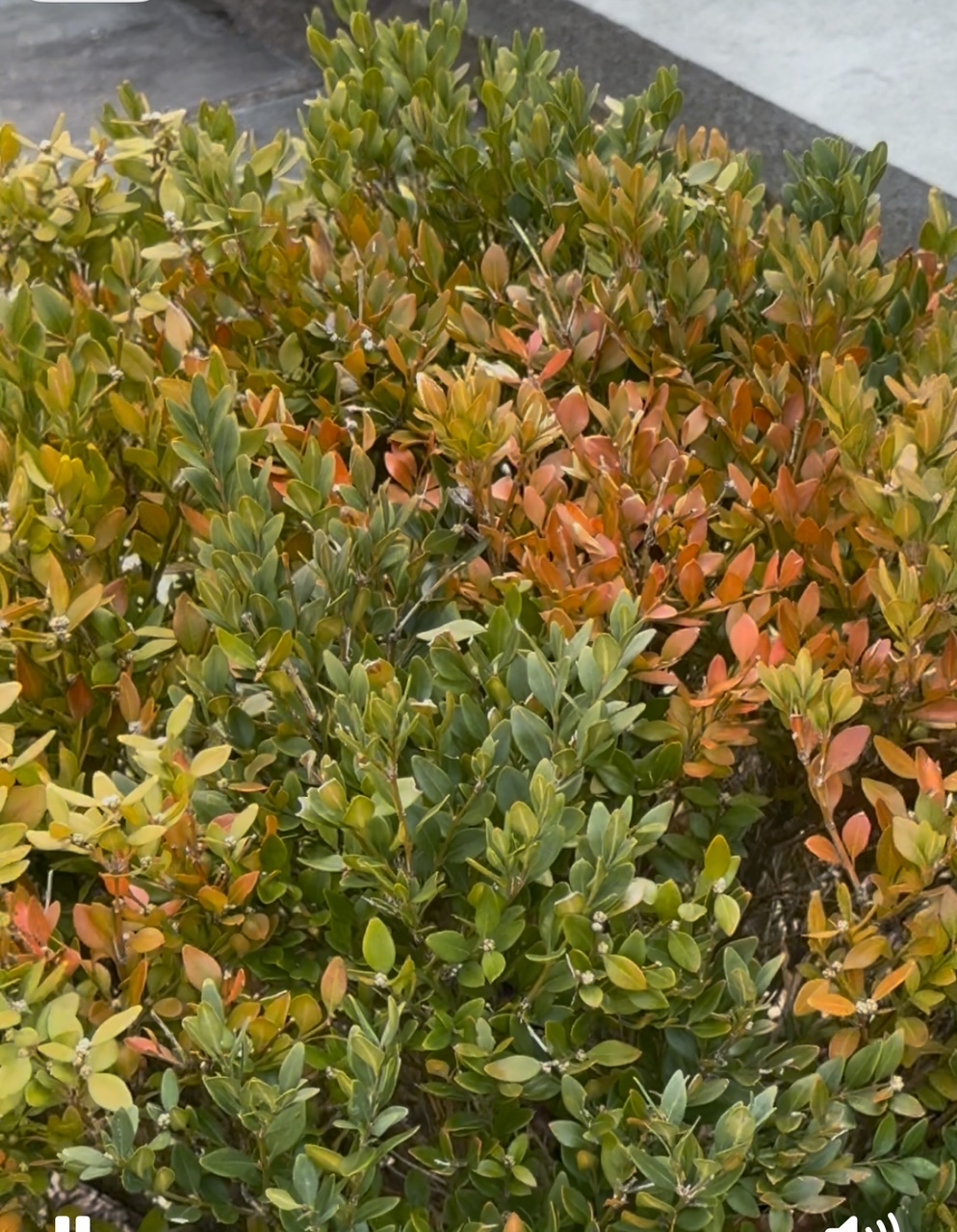
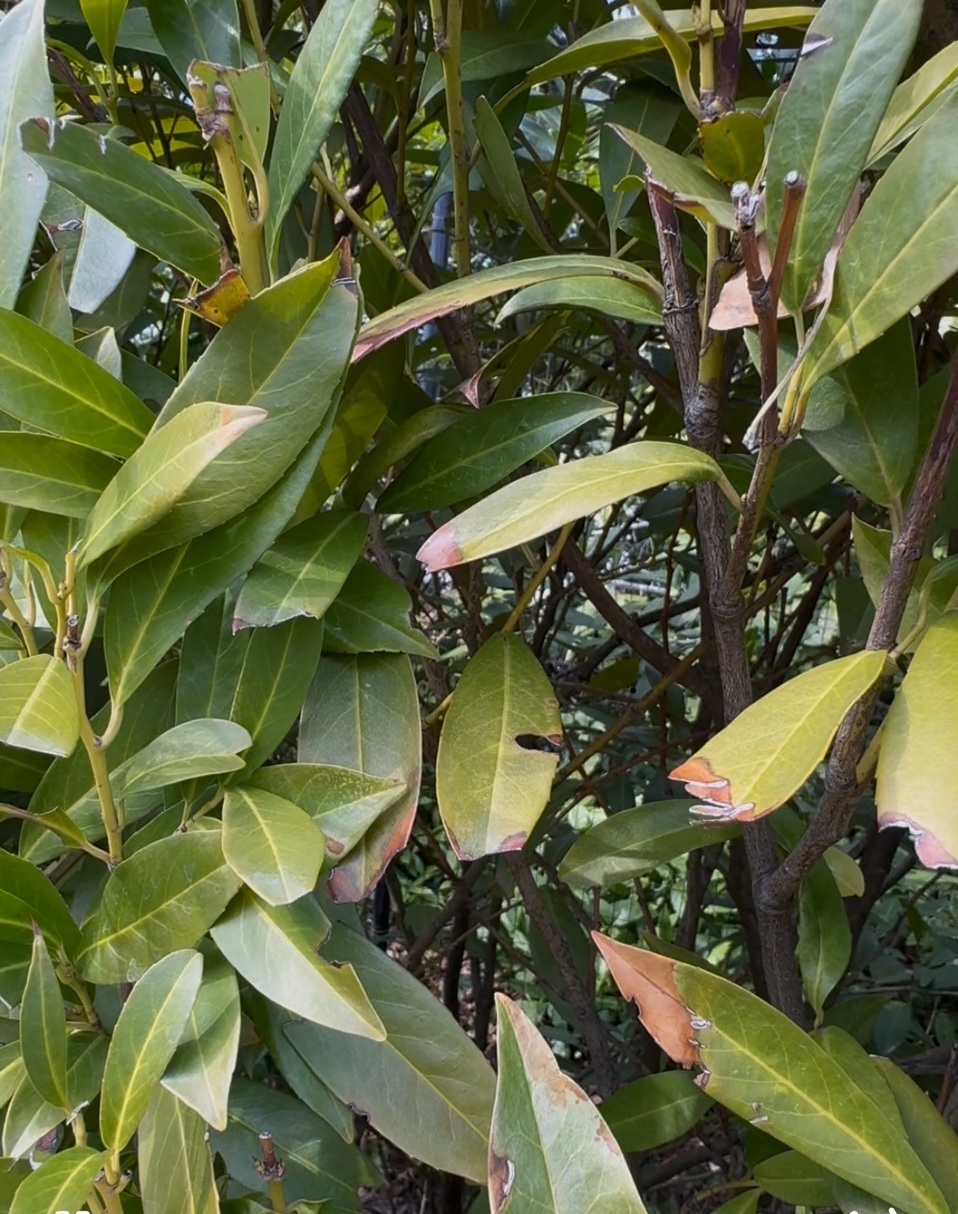
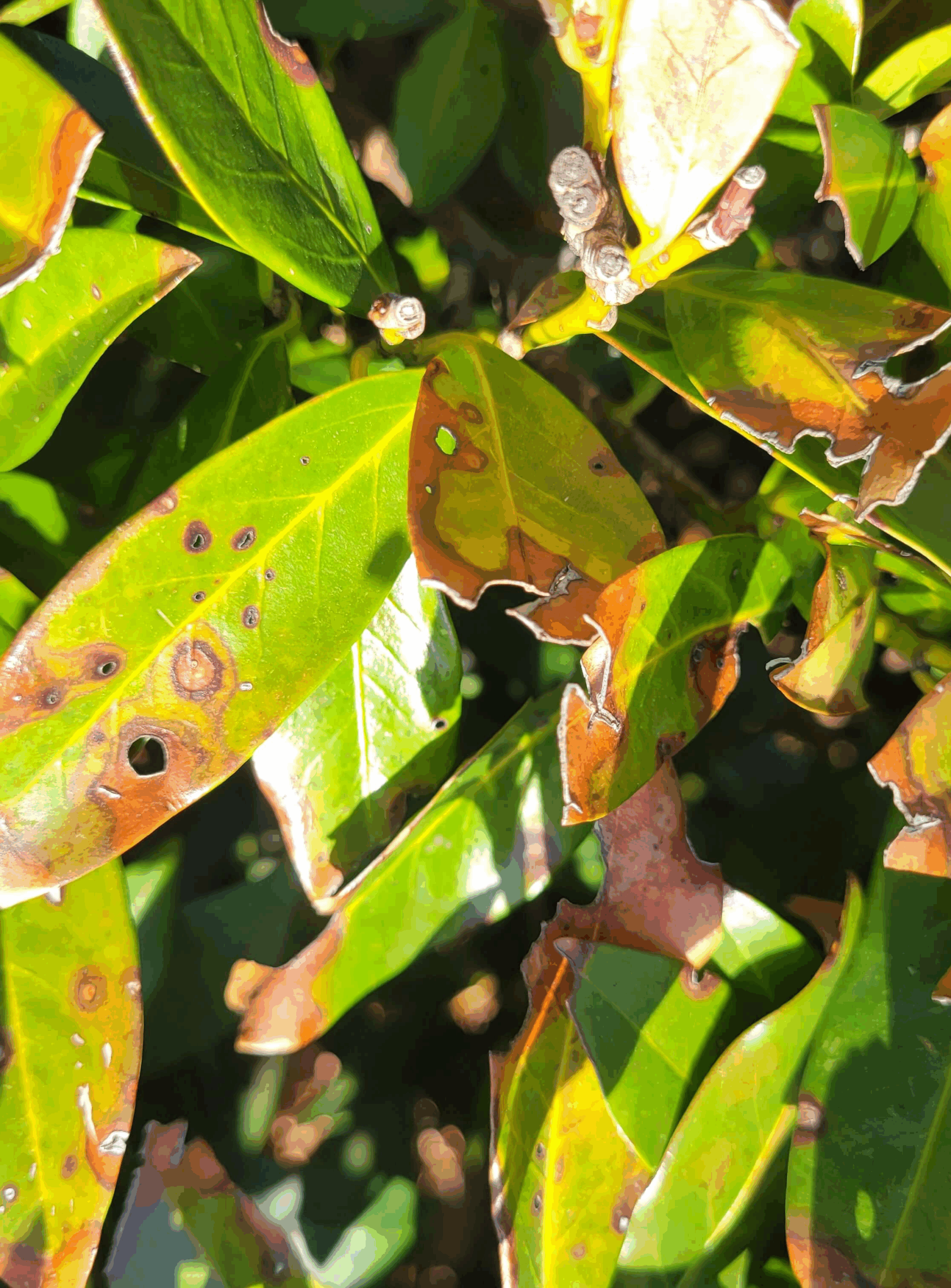
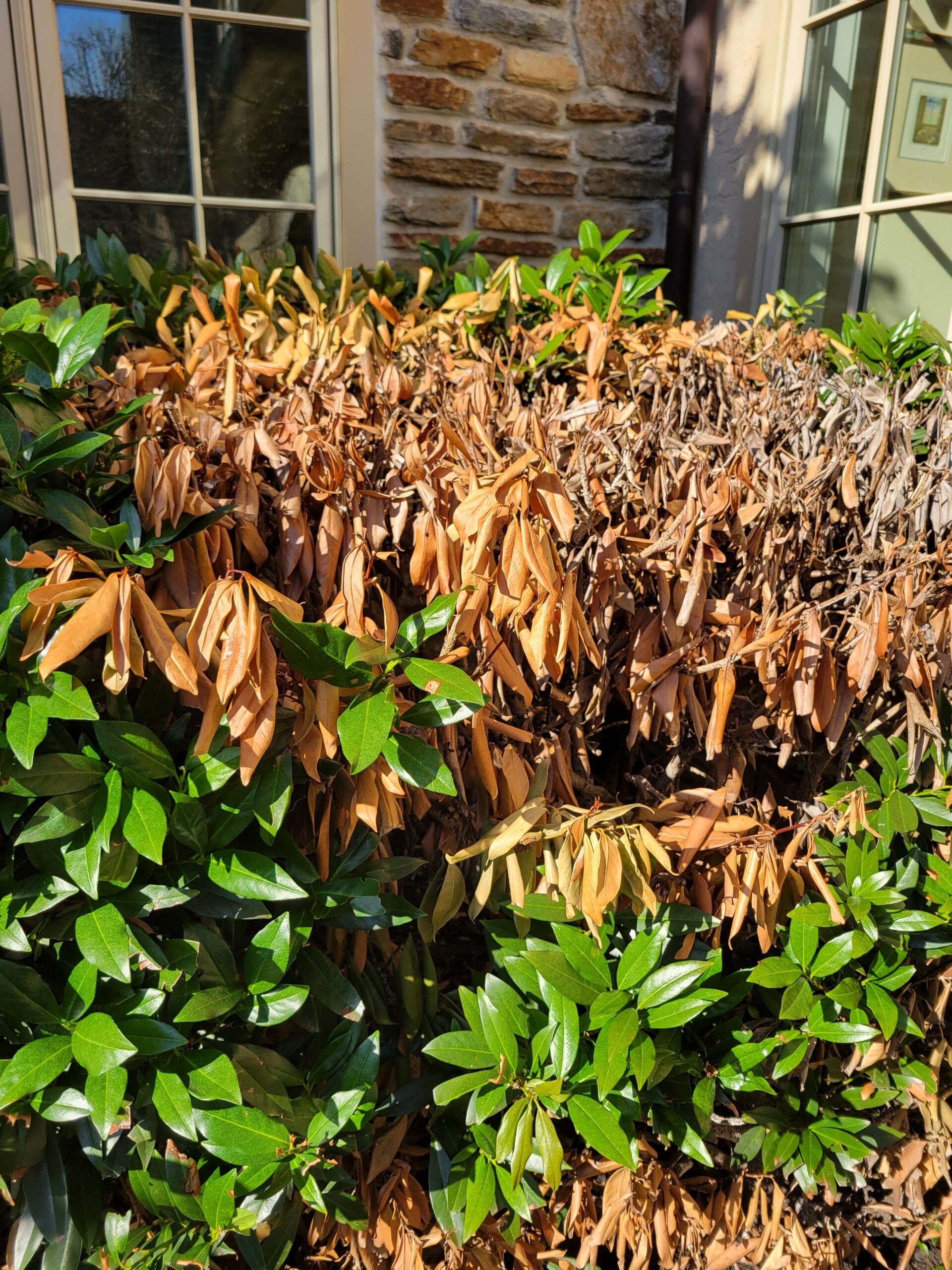
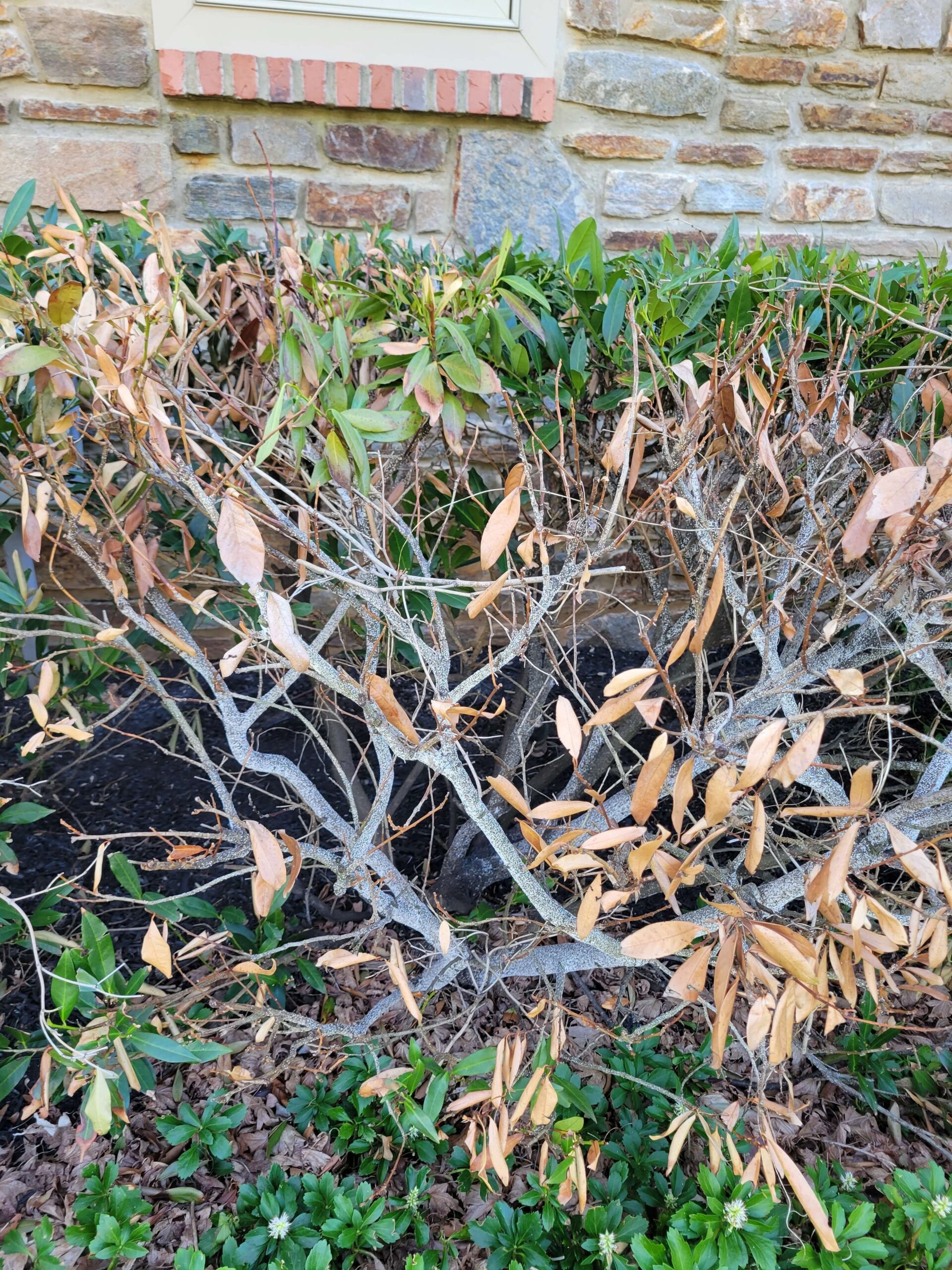
Winter injury in boxwoods appears as browning and yellow patches. In Laurels, symptoms will be browning on the leaf tips and margins. These are two very common plants in our area. Treating the soil that supports the plant with nutrients, controlling insects and disease threats that reduce plant vigor and treating leaf surfaces in the fall with anti-desiccant spray is what we do to help plants recover and reduce the severity of winter injury in the future.
Humidity
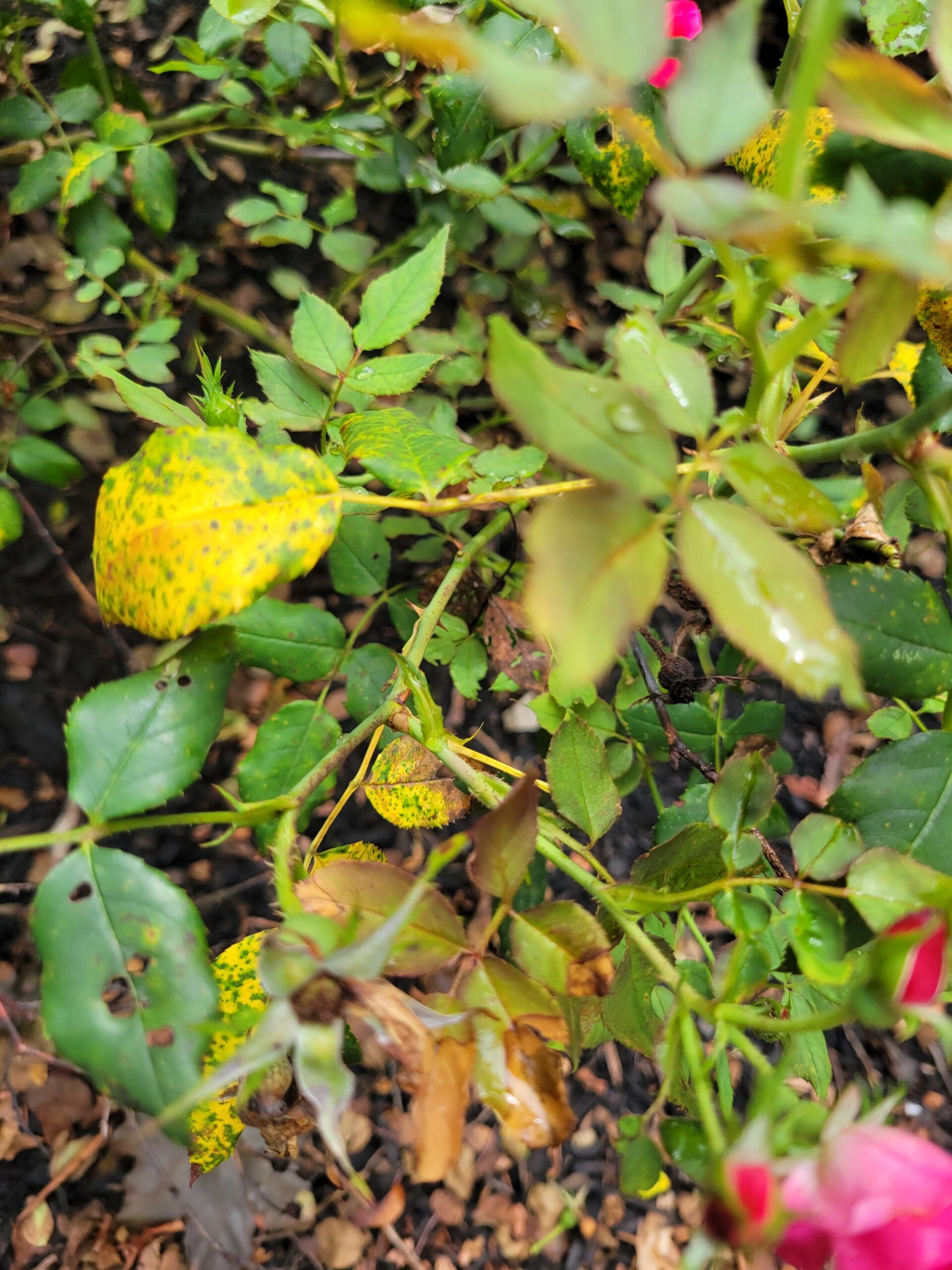
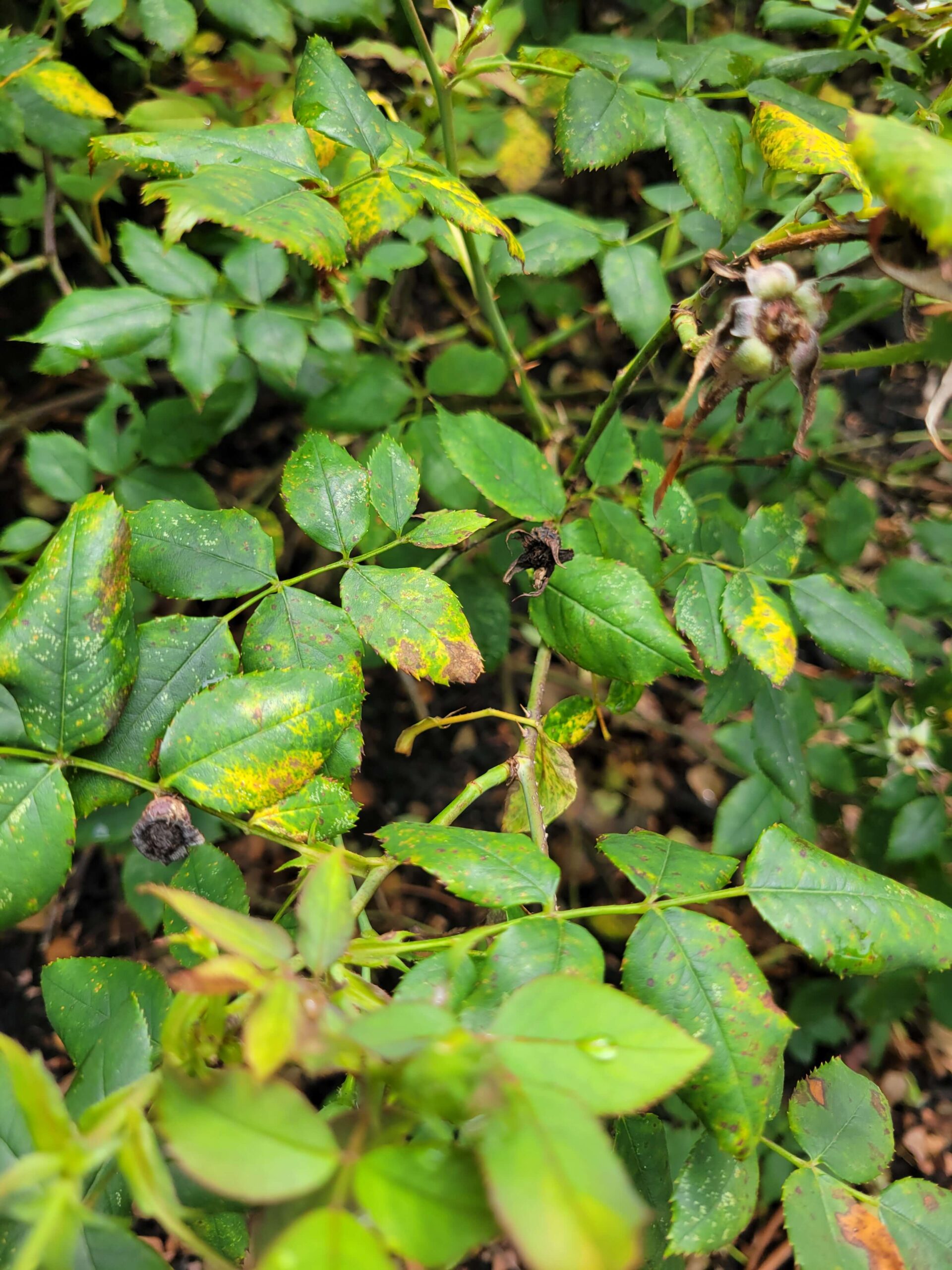
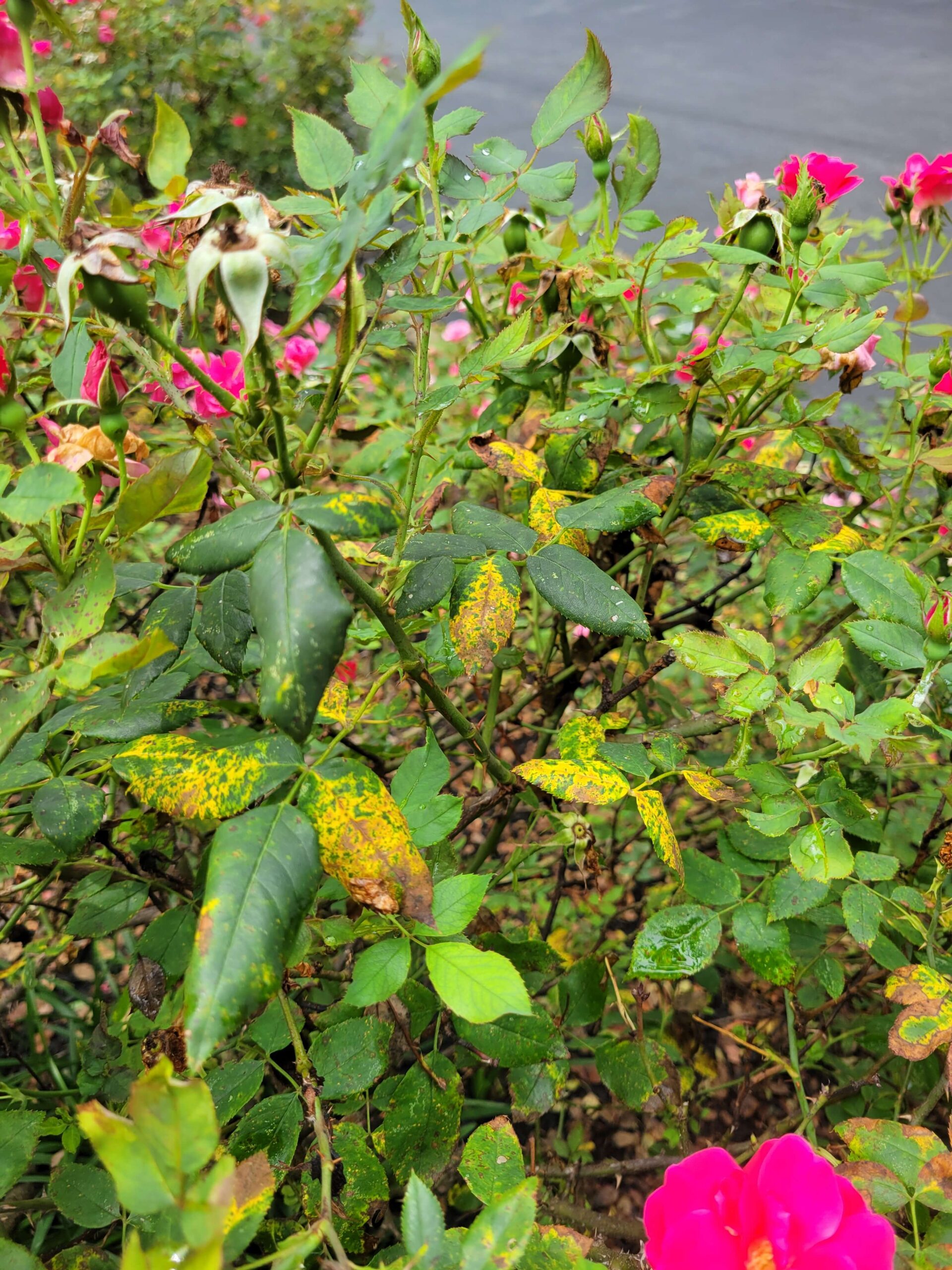
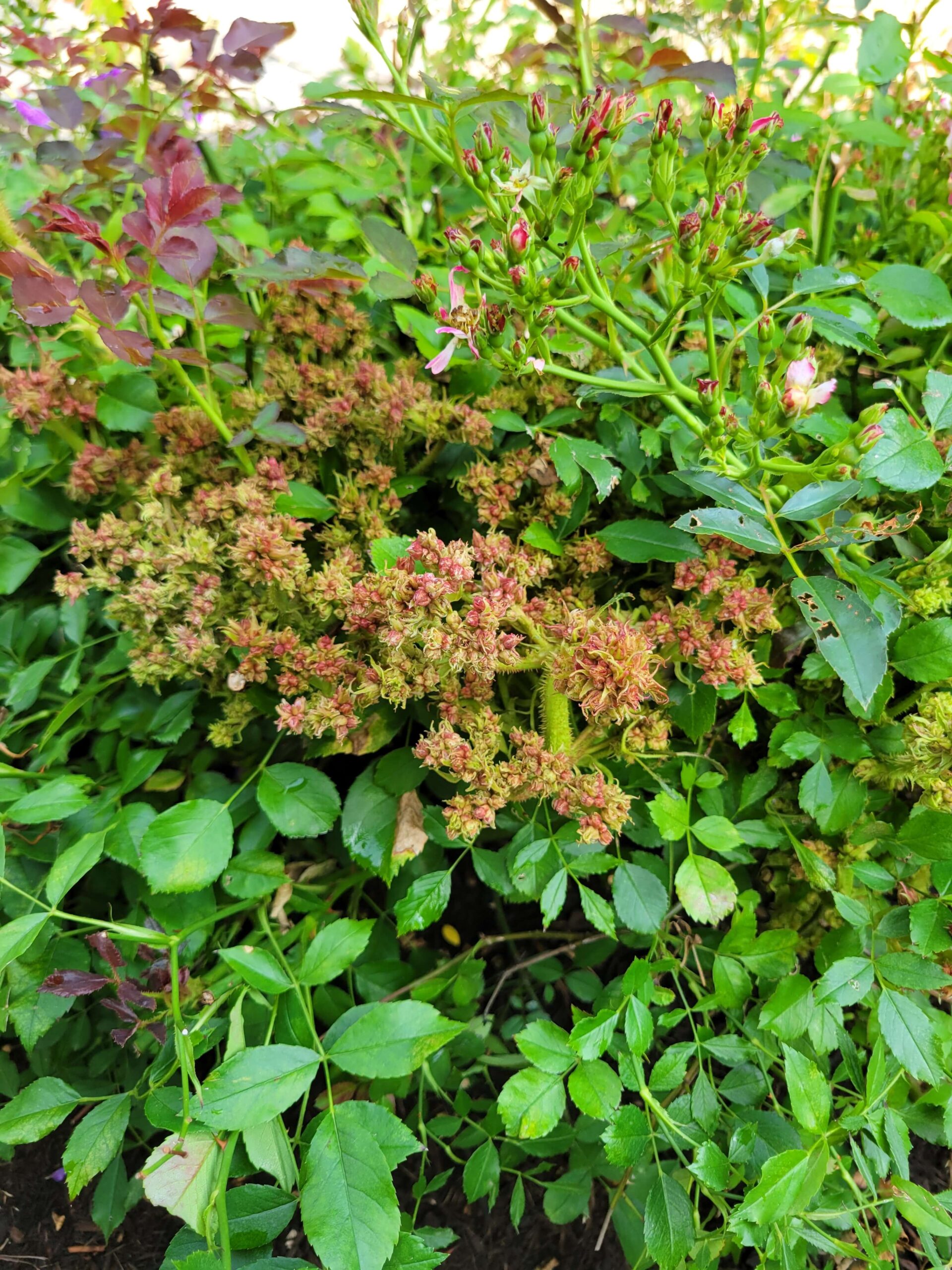
If your roses look like this, we can help. Left untreated roses get attacked by Japanese Beetles, the leaves get eaten by rose slug sawfly and aphids and they are also affected by foliar fungus.
When monitored and treated your roses will have strong blooms and maintain healthy foliage well into the fall.
Learn About PHC Issues for Roses
The regular offenders are out and thriving as well. Some of these include:
Laurels
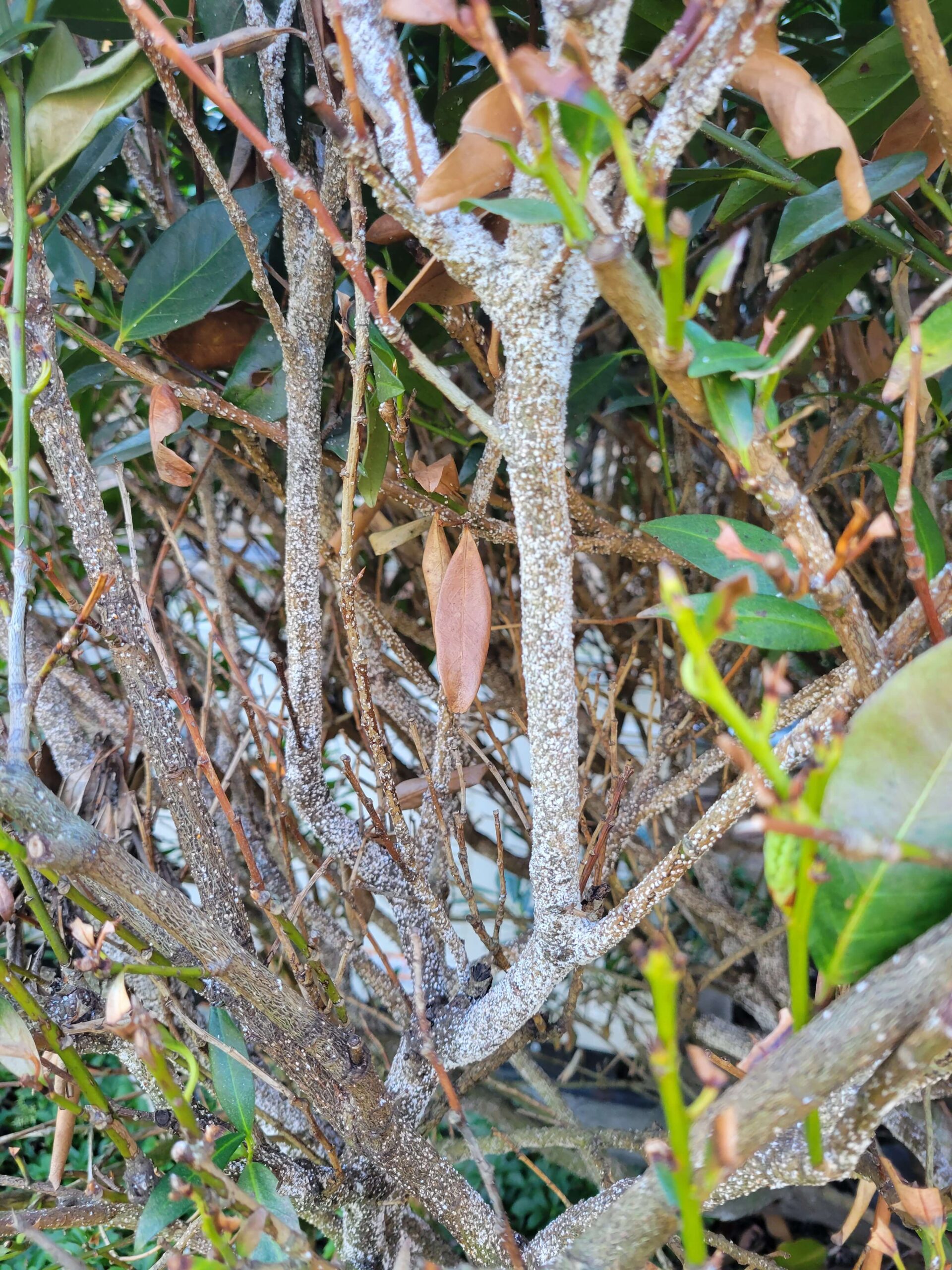
We are treating laurels to hasten winter injury recovery and removing dead limbs. We are also treating for White Prunicola Scale. One of the telltale signs is white fuzzy looking covering on the inner branches which is the insect feeding on the plants vital fluids.
Japanese Beetles
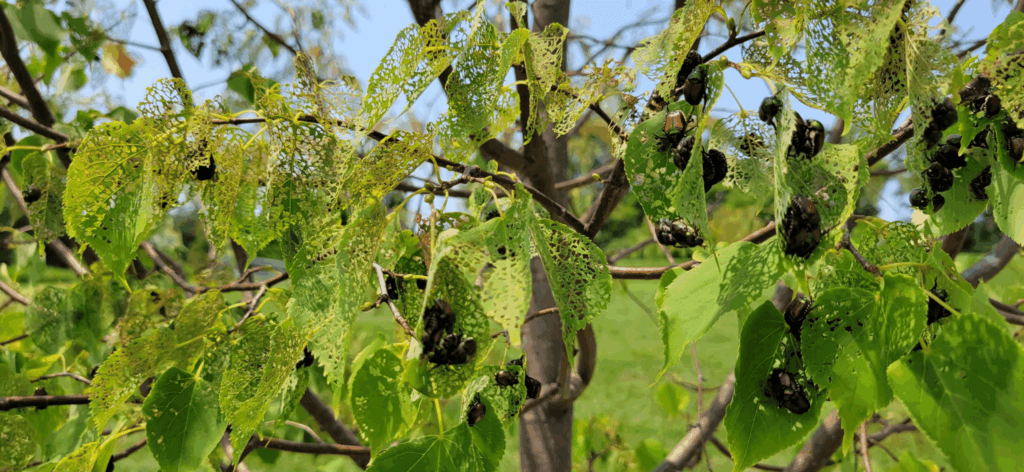
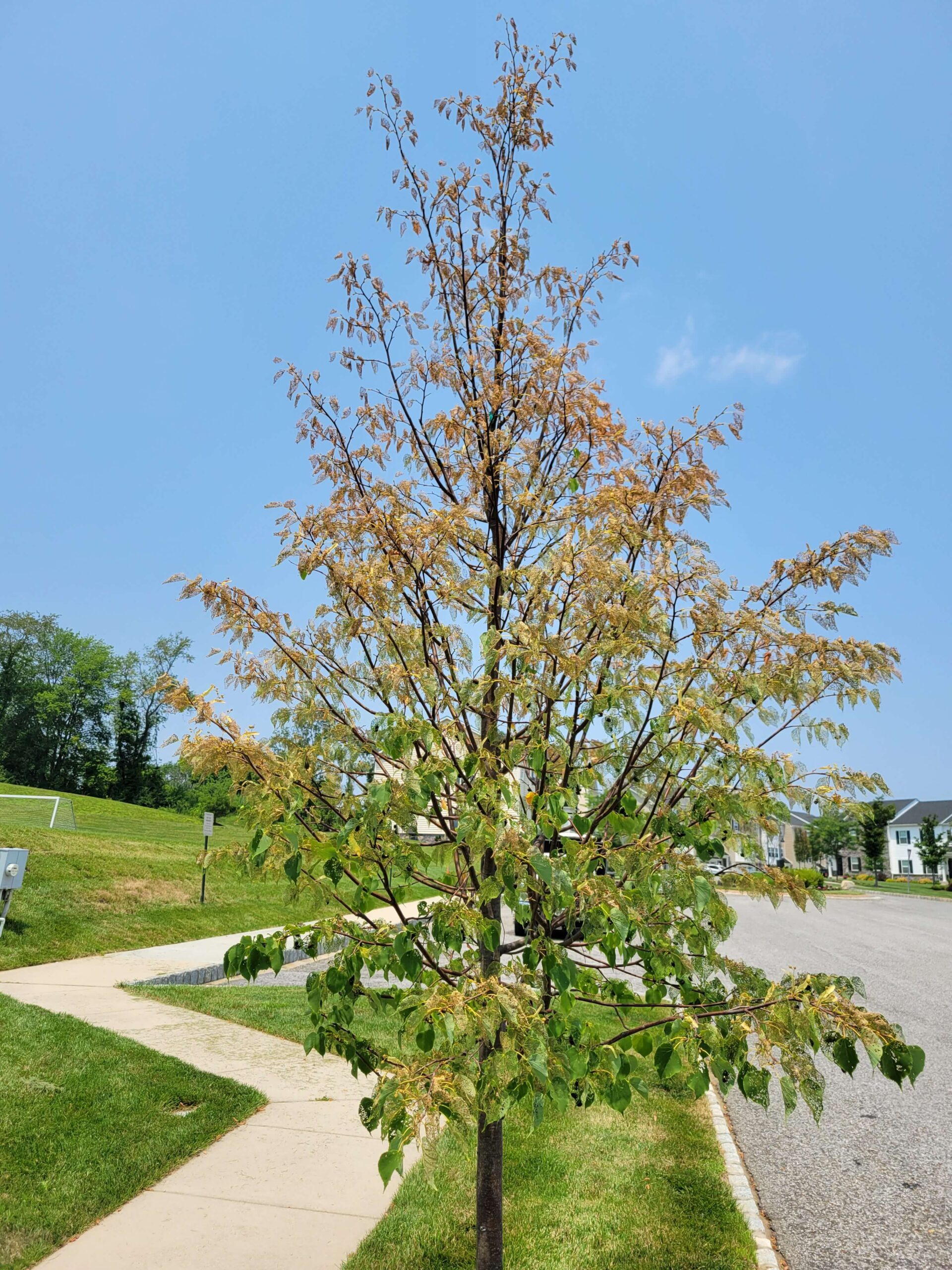
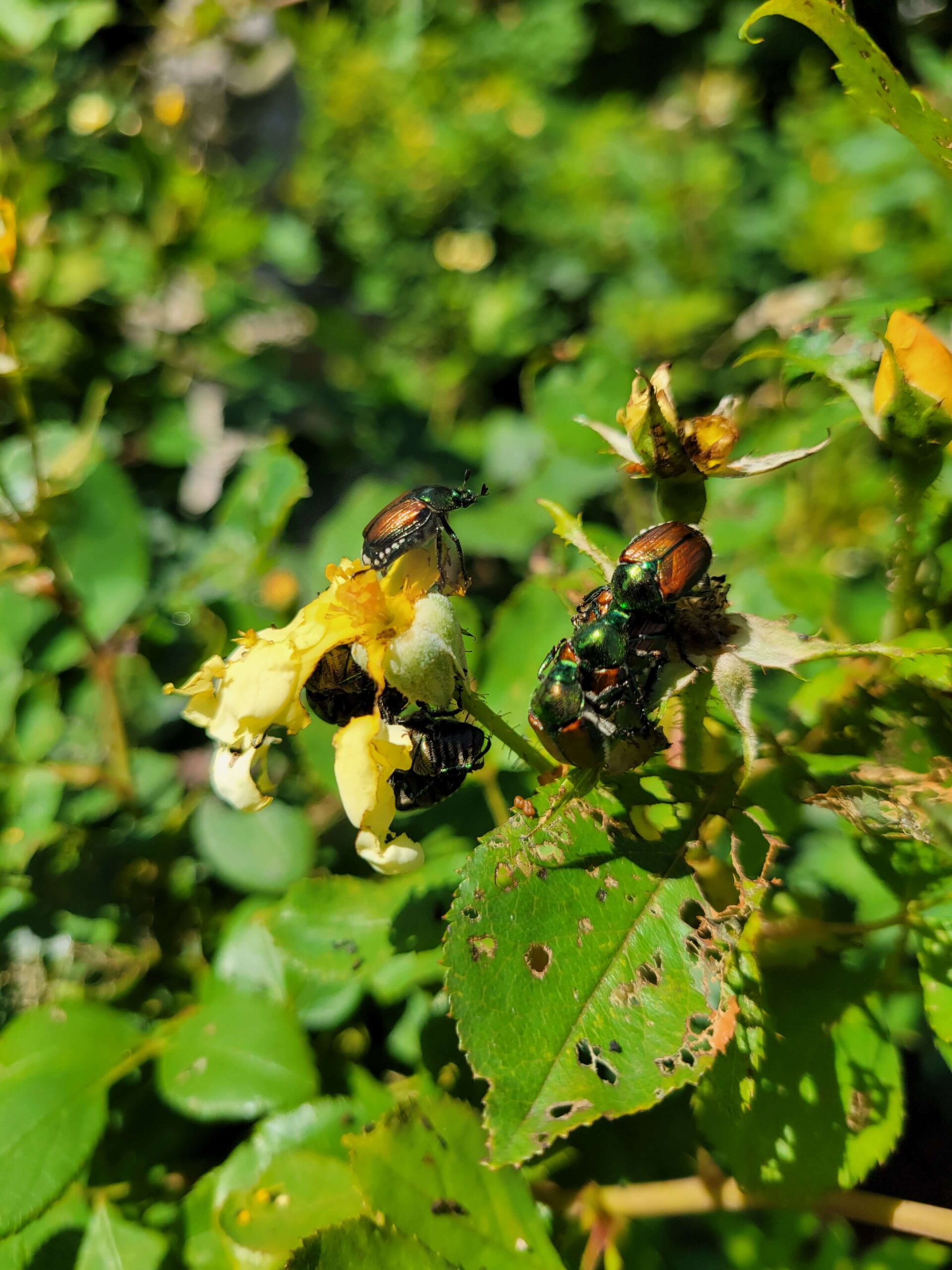
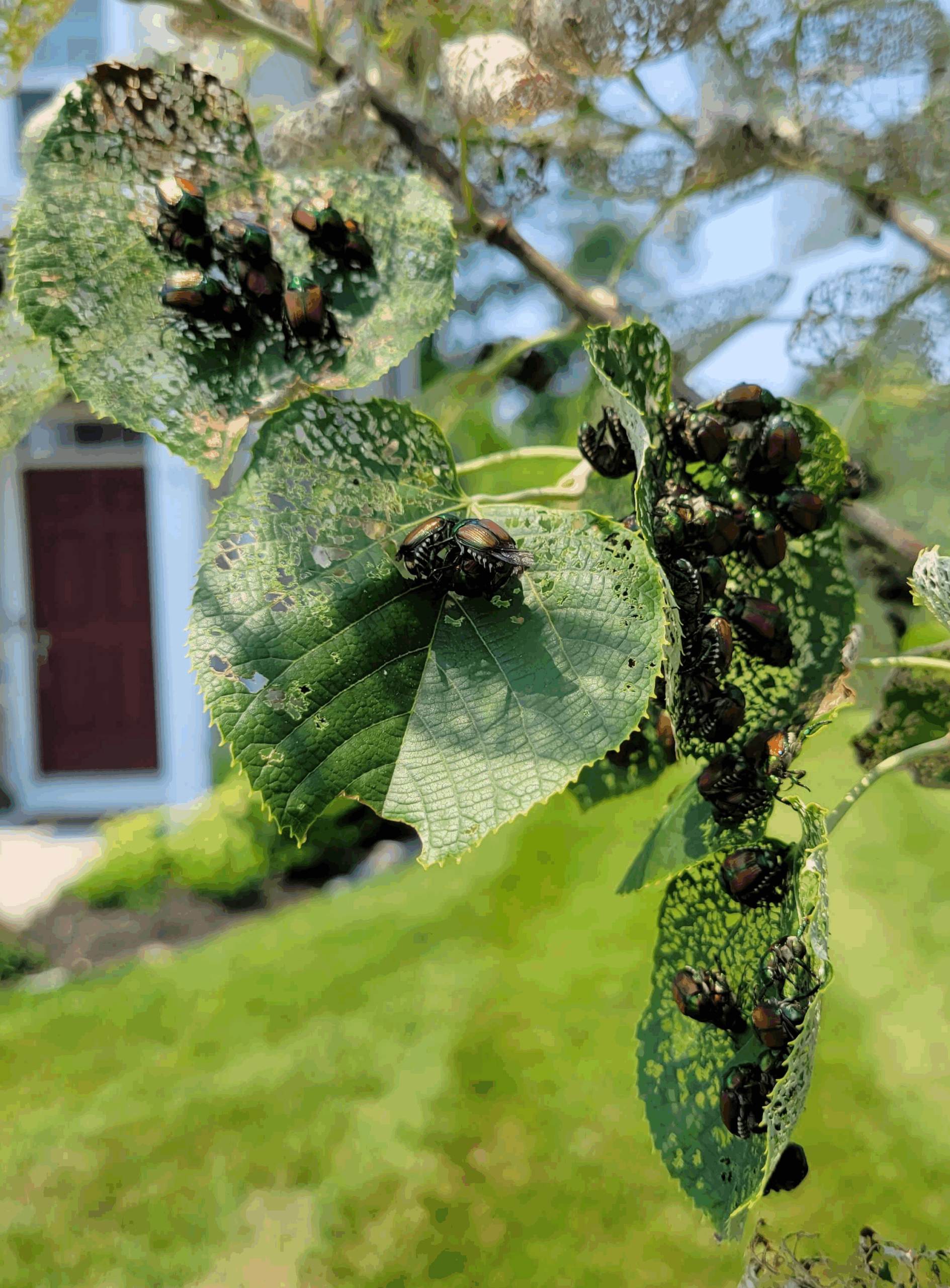
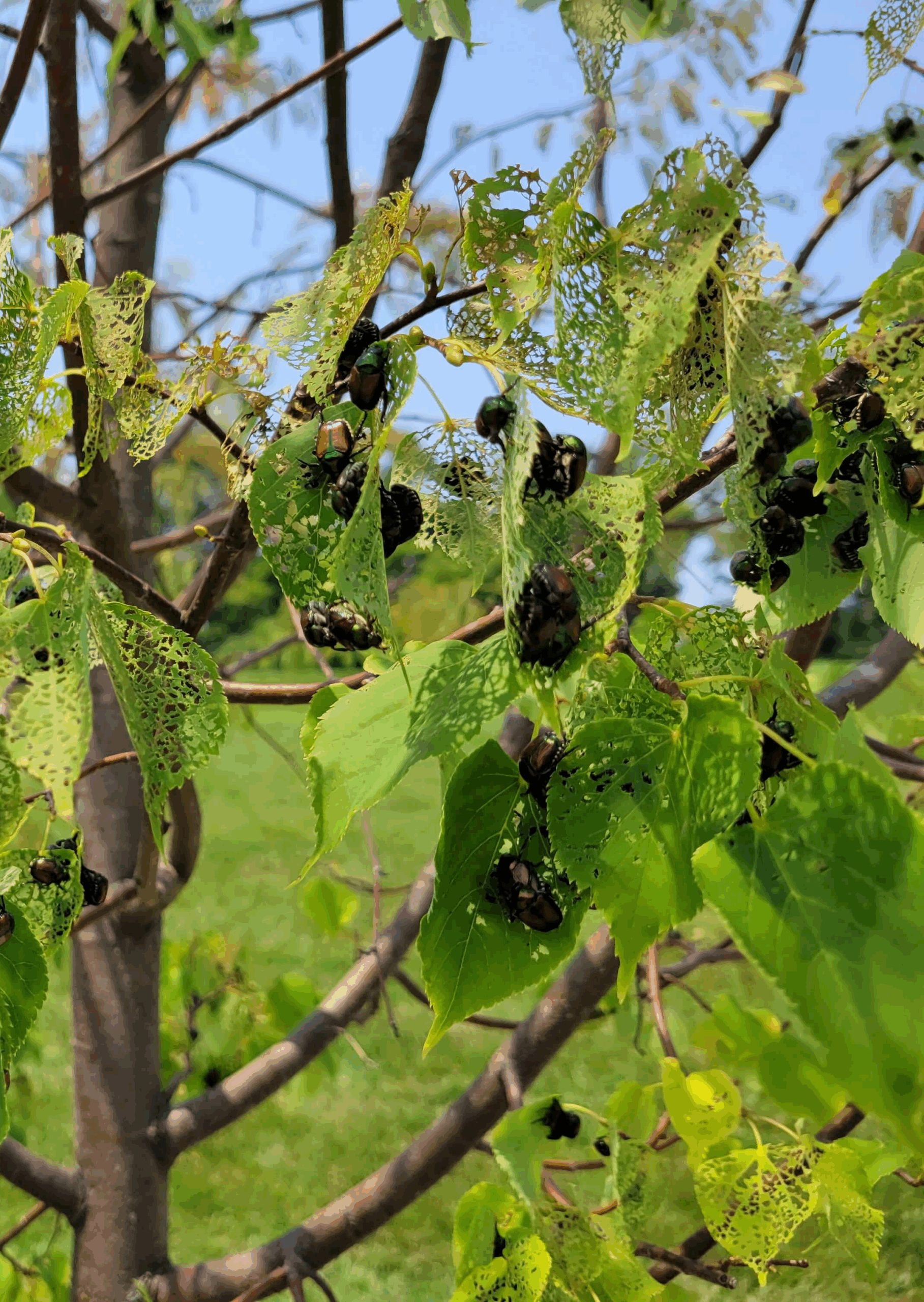
Japanese beetles are just emerging. These photos show the extensive damage on a Linden tree. They also love roses, crape myrtles, birch, hibiscus, cherries and just about any other fruit tree.
Learn More About Japanese Beetles
Crape Myrtles
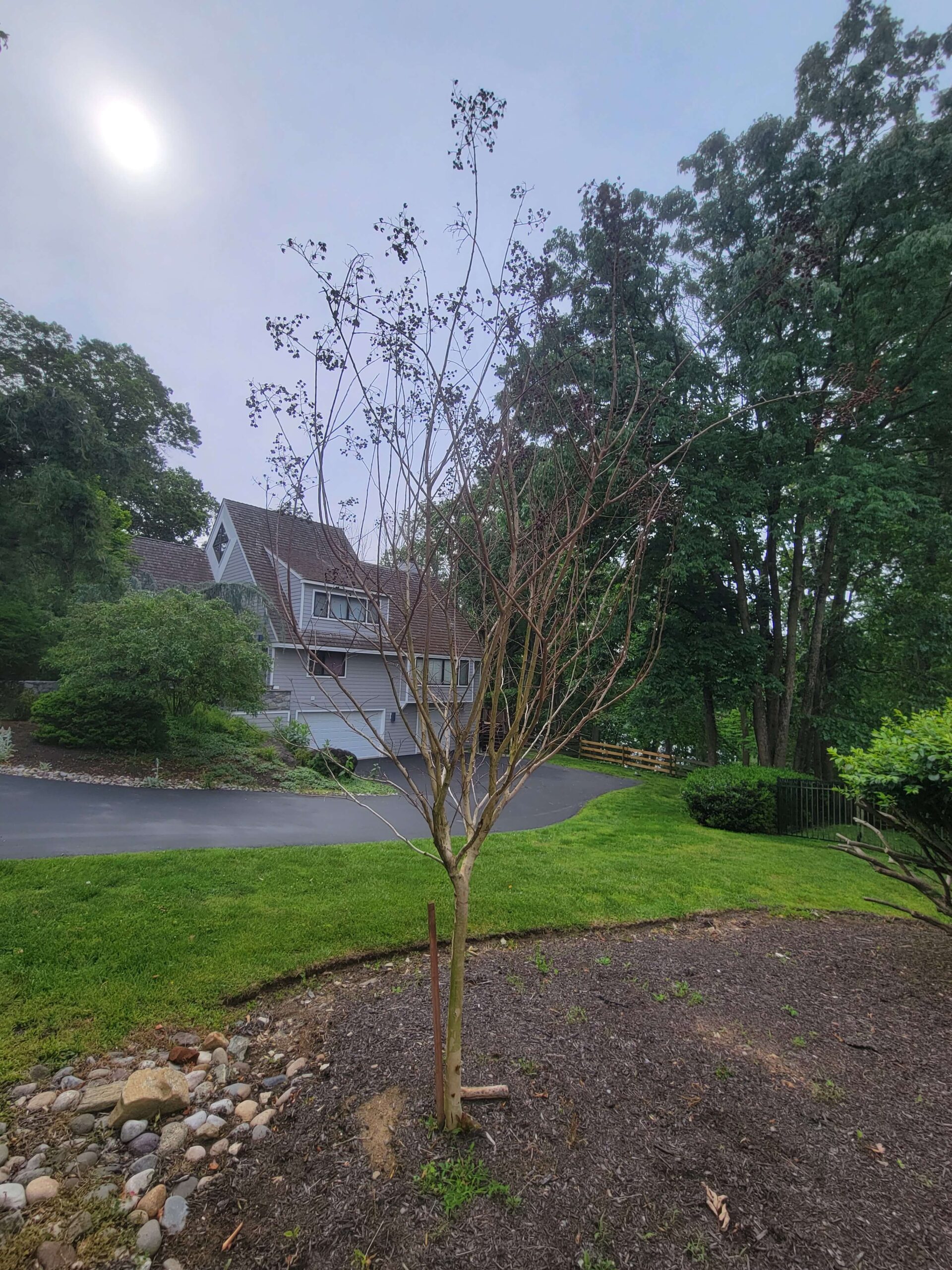
Crape myrtles, especially smaller, newly planted, did not fare well with the extreme cold. Older, more mature plants did better because the contain more moisture and reserves to protect and recover.
Currently we are seeing Aphids, powdery mildew and Japanese beetle attacks.
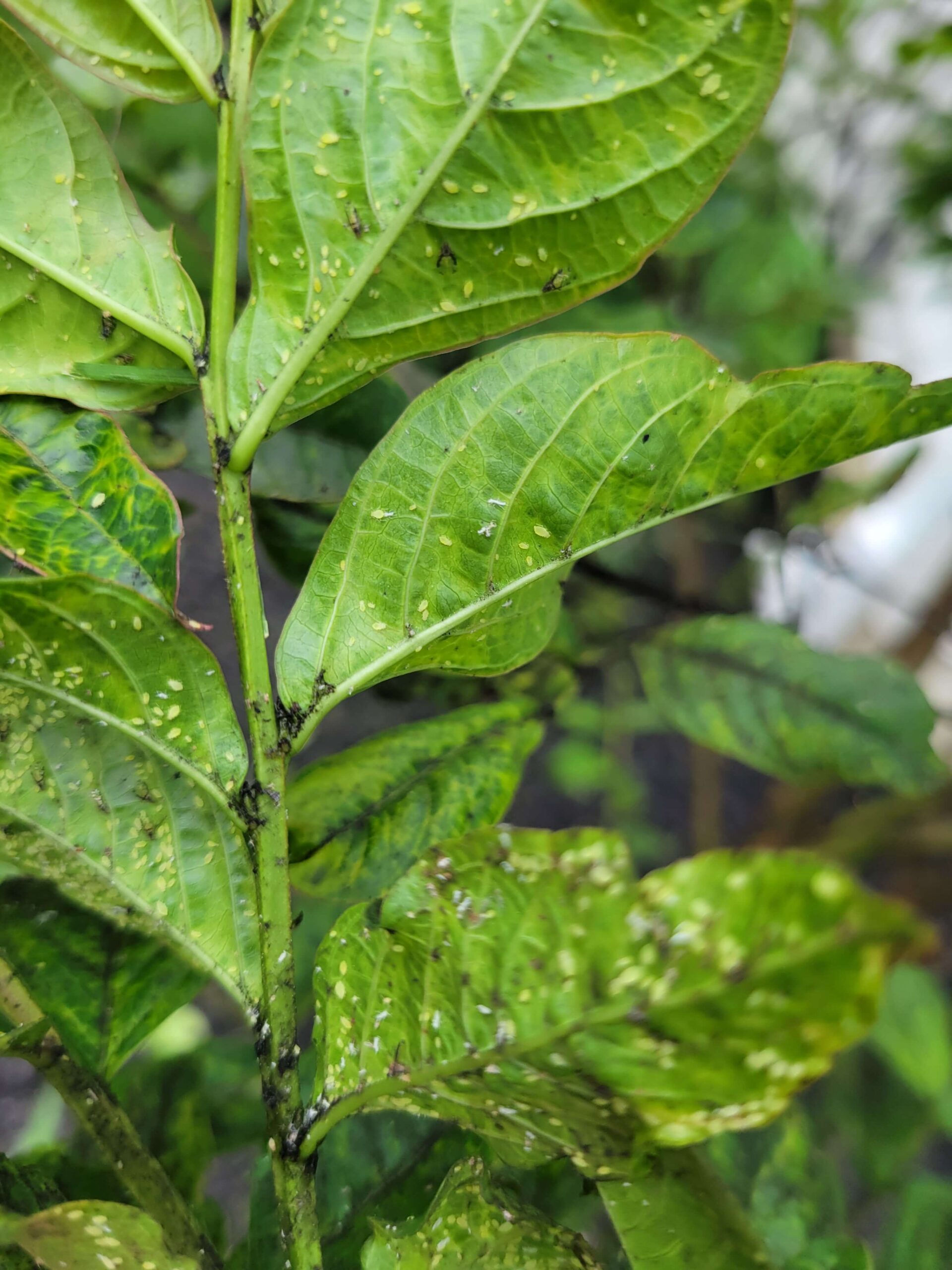
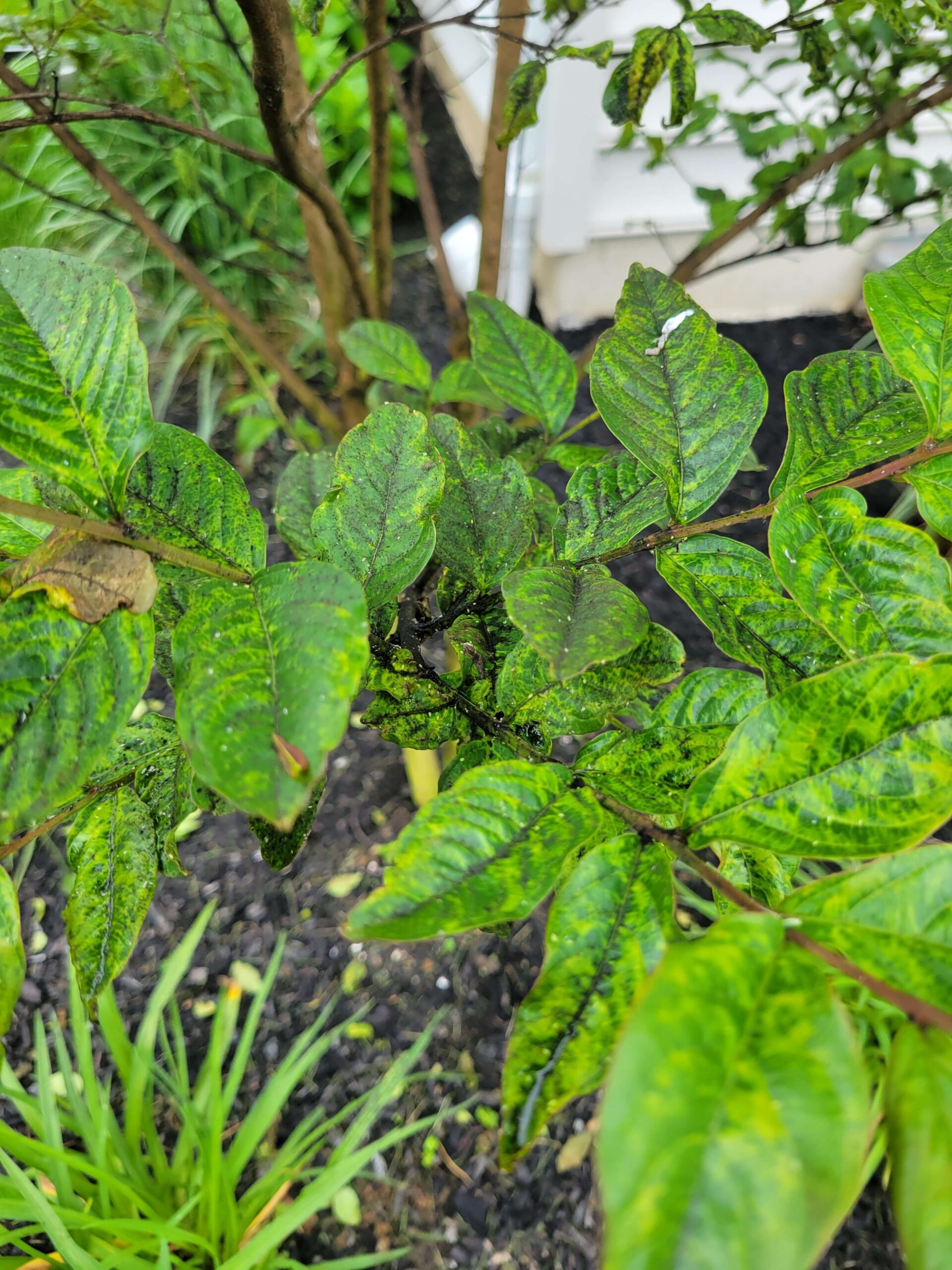
Learn More About Powdery Mildew
Beech Leaf Disease
Beech Leaf Disease shows up as dark banding of leaves and mid season curling of leaves. We are treating with macroinjections similar to treatments done to elm trees (Dutch elm disease) and sycamores (anthracnose) and rolling out our own experimental treatments. Stay Tuned.
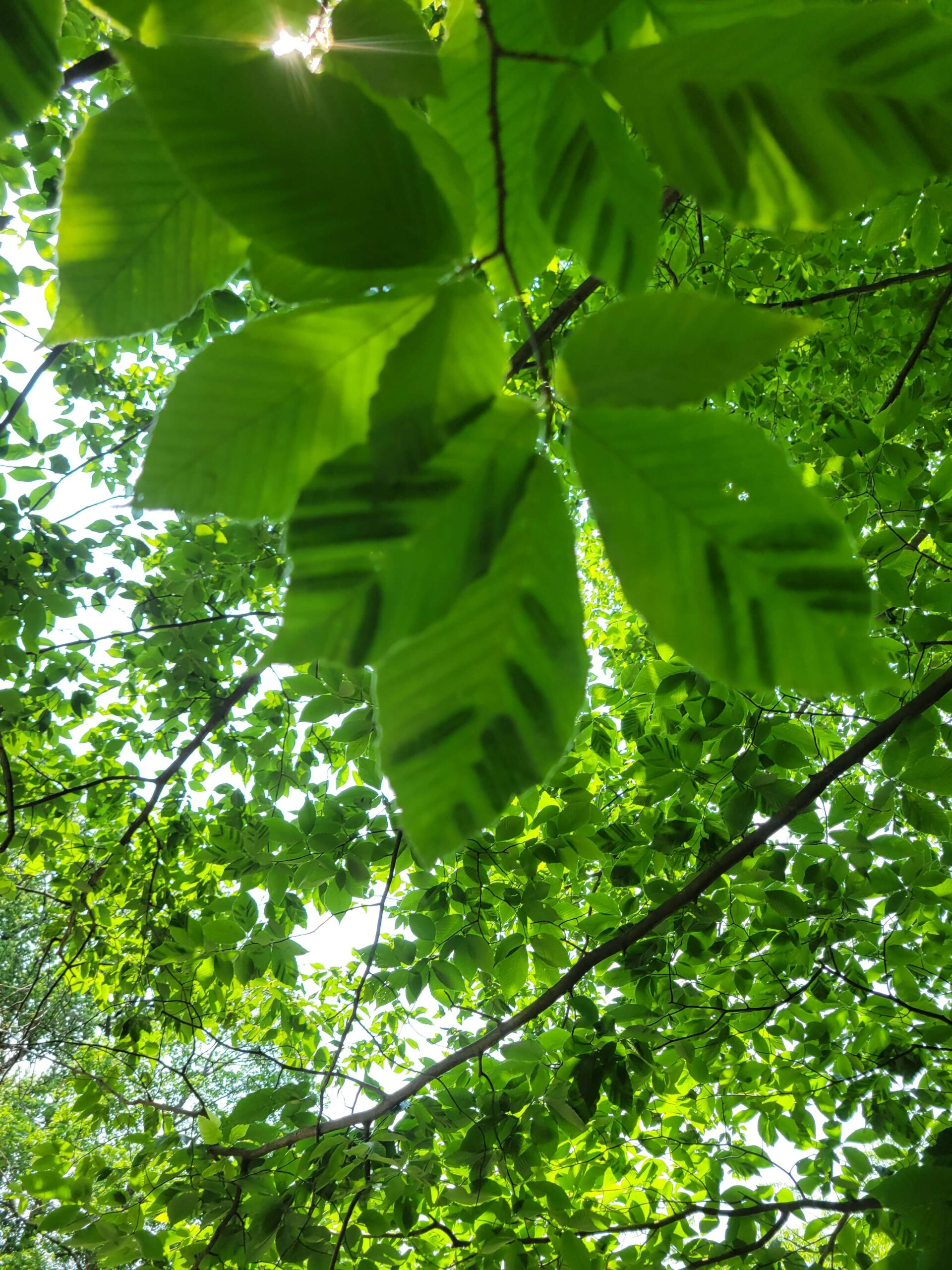
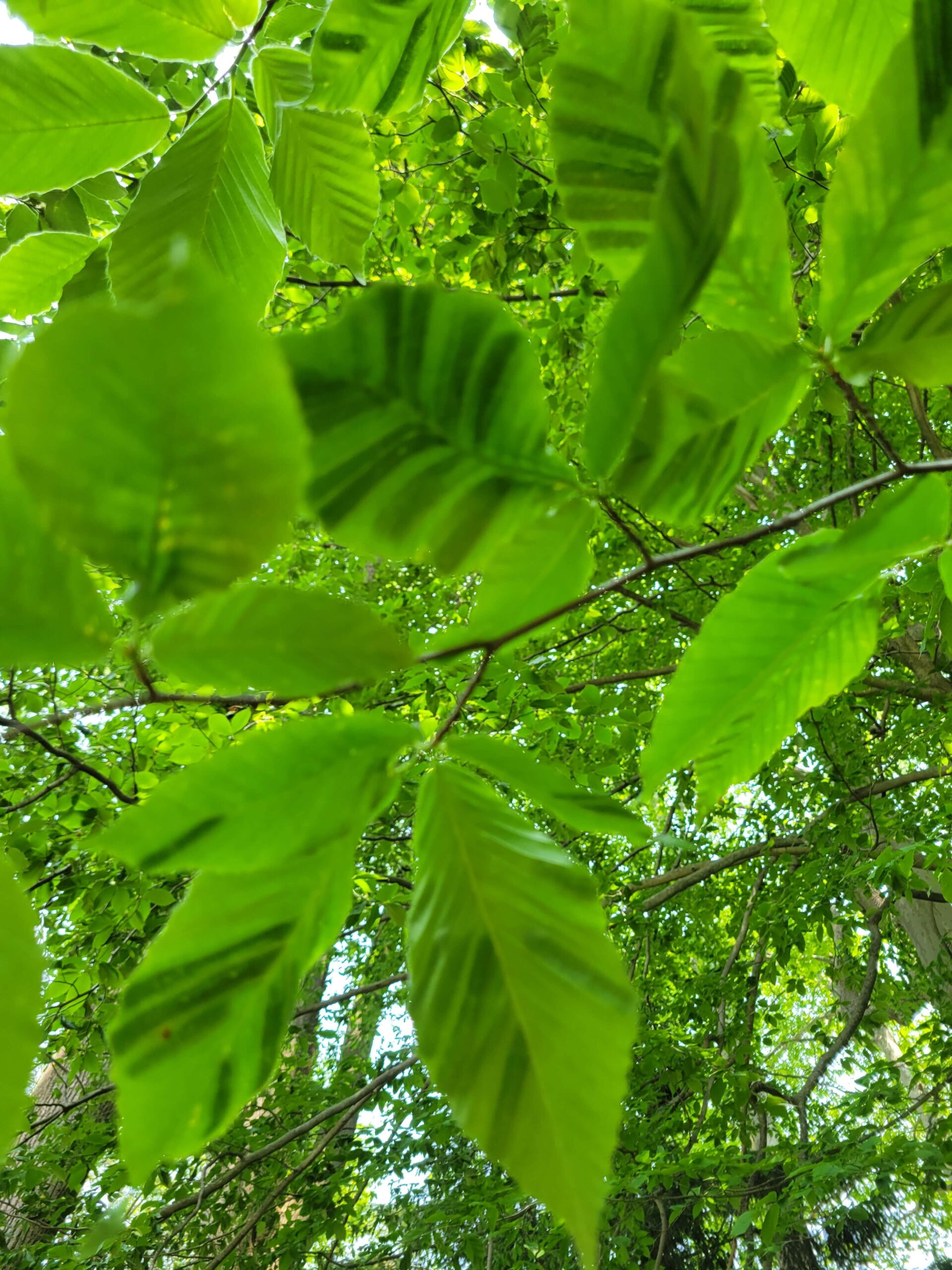
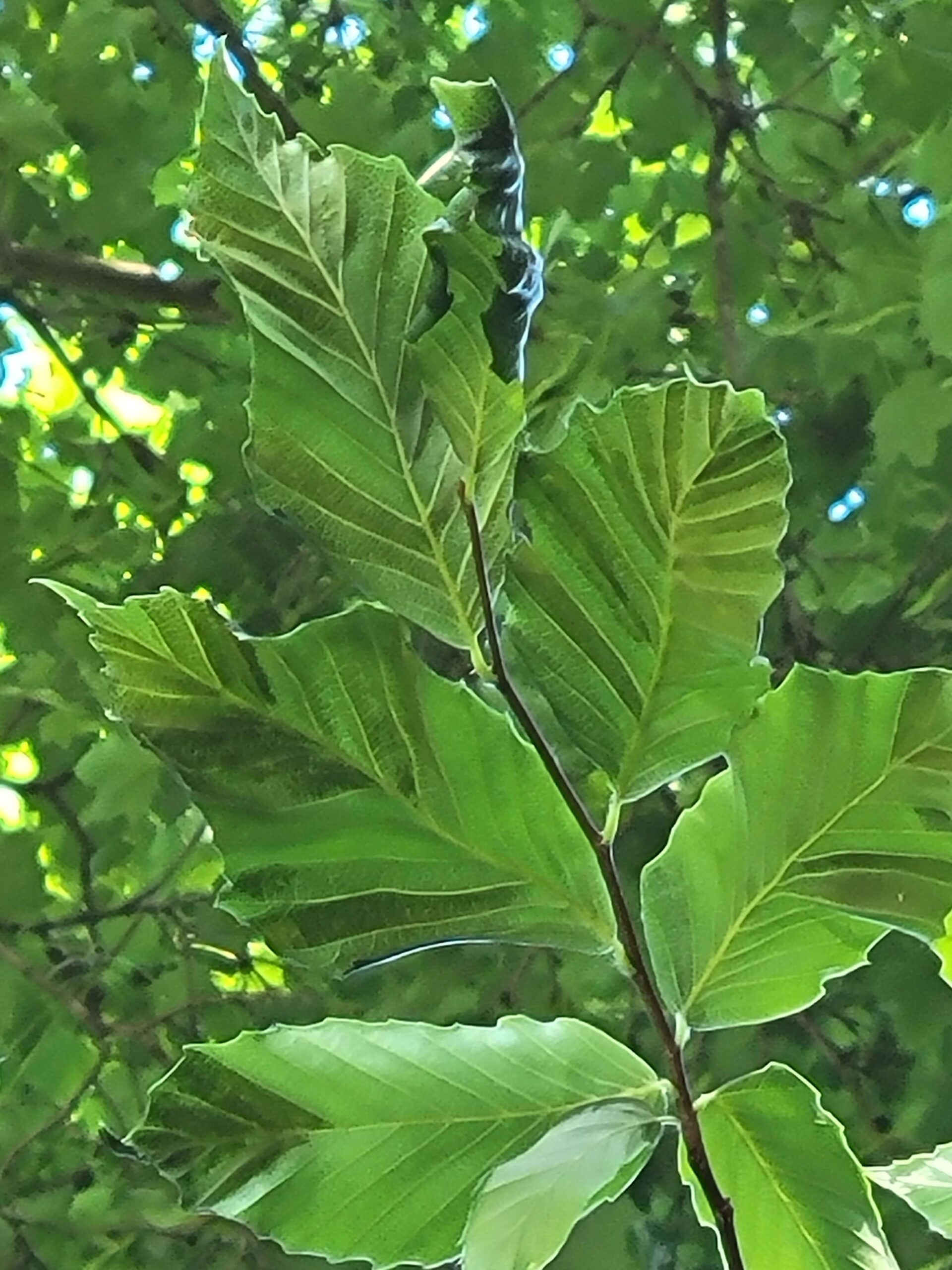
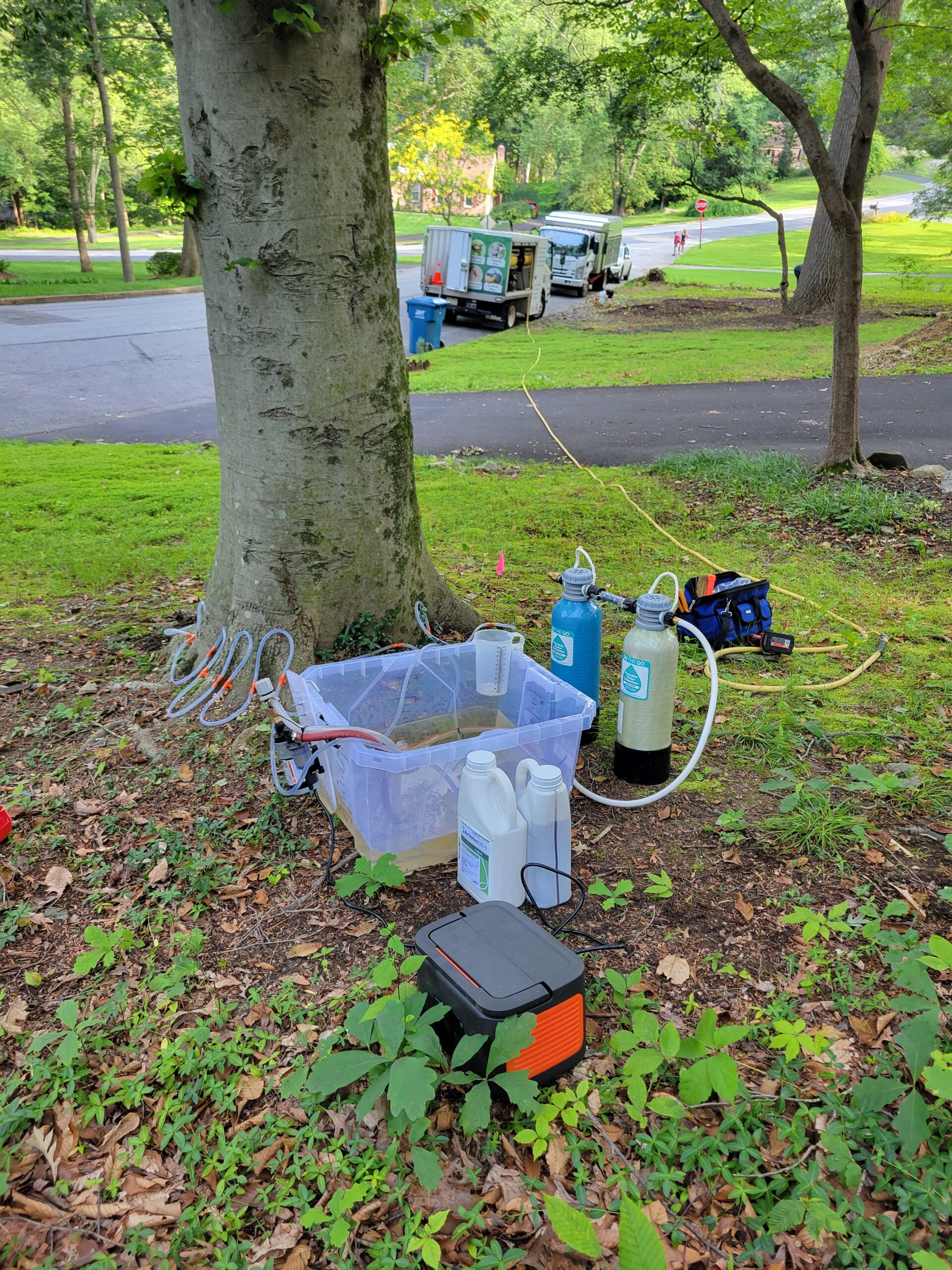
Learn More About Beech Leaf Disease
Let Burkholder PHC Protect Your Valuable Landscape Trees
Are your trees looking less than healthy? Burkholder PHC is here to help. Our team of certified arborists and plant specialists is well-versed in identifying and treating evergreen tree diseases, staying up-to-date with the latest research, and utilizing the most effective treatment methods. If you are worried about beech leaf disease or other Main Line plant health concerns, schedule a free consultation with Burkholder PHC today.
Recent Posts
Beech Leaf Disease Update December 2025
Science-Based Protection for Your Beech Trees from Certified Arborists and Plant Biologists Beech leaf disease is killing trees across southeastern Pennsylvania. American beech, European beech, copper beech, weeping beech—all are…
Upgrade Your Outdoor Living Space with Outdoor Lighting
Your outdoor spaces add real livable area to your home: places to gather, relax, and enjoy the landscape you’ve invested in. The right landscape lighting makes those spaces welcoming after…
Why Investing in Landscape Design Pays for Itself
What Value Does a Landscape Design Offer? A beautifully landscaped yard isn’t just a visual delight, it’s a strategic investment that boosts your property’s value, simplifies ongoing maintenance, and creates…