
What is Phytophthora Root Rot?
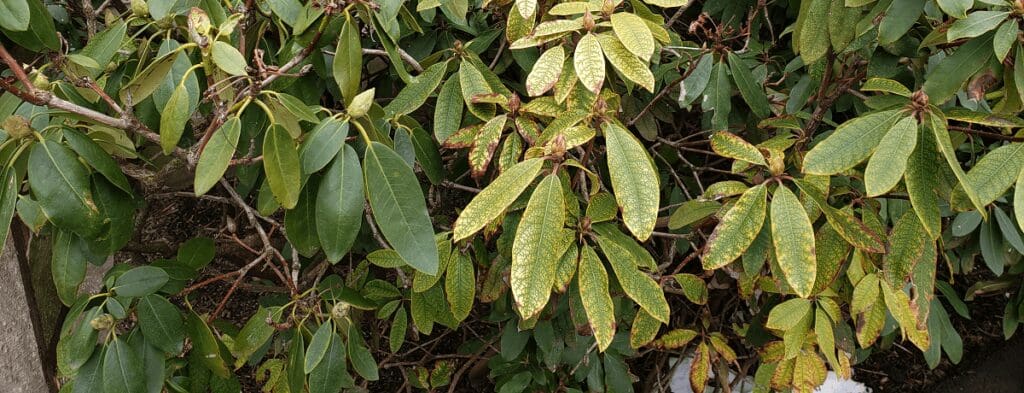
Phytophthora root rot is a common fungal disease that afflicts many plants outdoors and indoors. The condition causes rotting within the plant stem and roots. Young plants are particularly prone to the adverse effects of the disease, but many plants, trees and shrubs can be affected. This article will focus on the causes, symptoms, and potential remedies that may help treat the root rot.
What Causes Phytophthora Root Rot
Phytophthora is a genus of parasitic microorganisms that cause a range of diseases in plants, particularly in the roots. The genus includes about 140 species. They are oomycetes, as are all water molds, and like other members of this group they have microscopic sporangia (spore capsules) that are produced in great numbers by germination of endospores. Certain conditions are more conducive to disease development, namely if the soil contains too much moisture and if the soil temperature is above 60 degrees Fahrenheit. In these conditions, oospores germinate and produce additional spores. These spores then infect a plant’s root and rot the system over time. More spores form in the residue, and the entire cycle repeats, infecting other plants.
What does Phytophthora Root Rot look like?
Some of the standard and most visible symptoms of Phytophthora root rot include the following:
- Leaves that turn dull green, yellow, or in some cases, red or purple
- Dark brown or black discoloration of the stem that extends up from the root/soil line
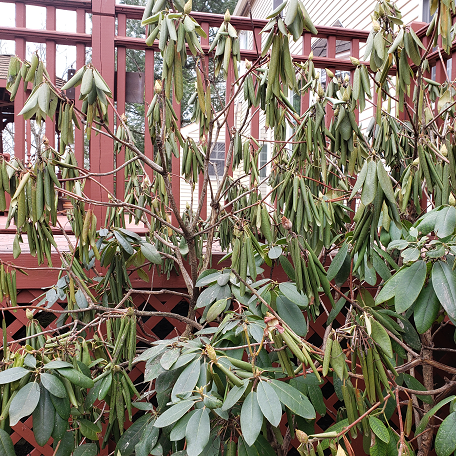
- General wilting of the leaves and branches
Other symptoms depend on the plant that is infected. Trees, for example, can have dark sap oozing from the trunk. Another symptom is reddish-brown streaks in the bark tissue. Signs of the disease can also appear on single leaves or branches of a tree and then spread to others.
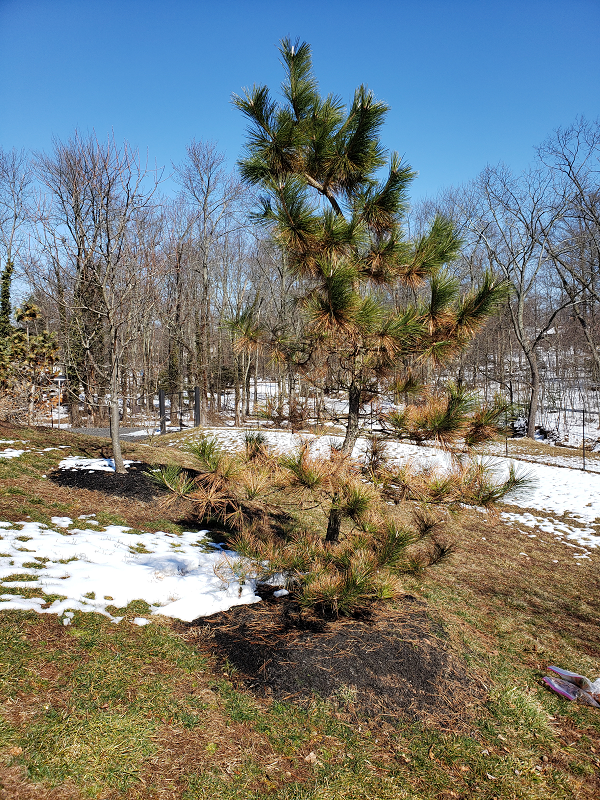
Pine Tree
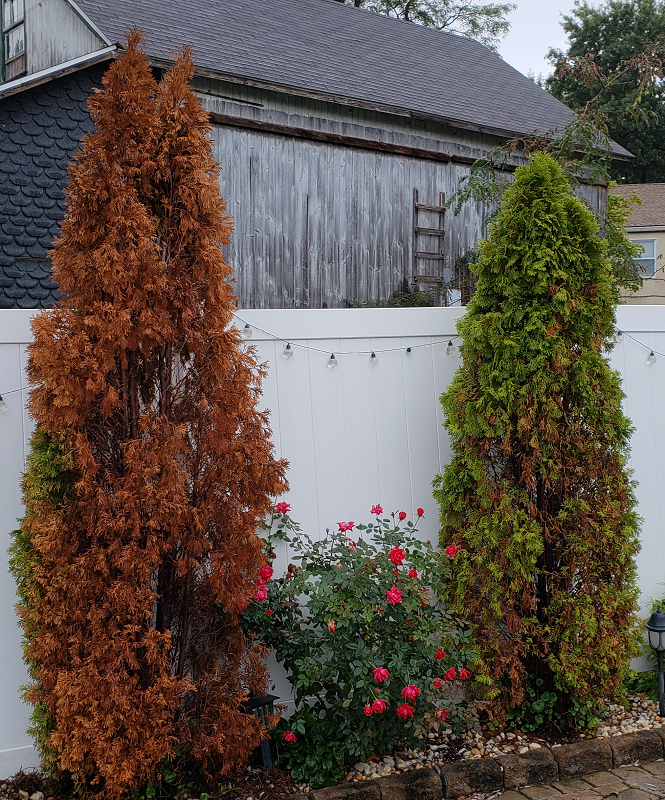
Arborvitae
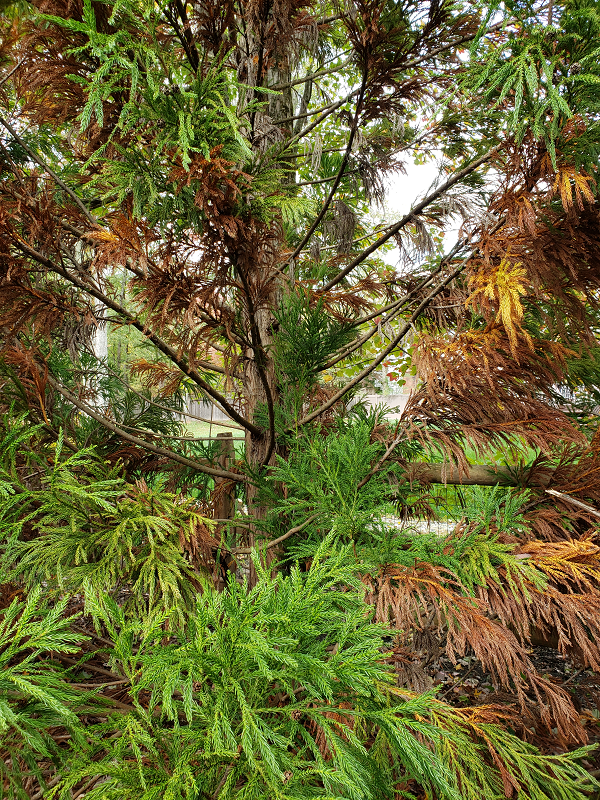
Cryptomeria
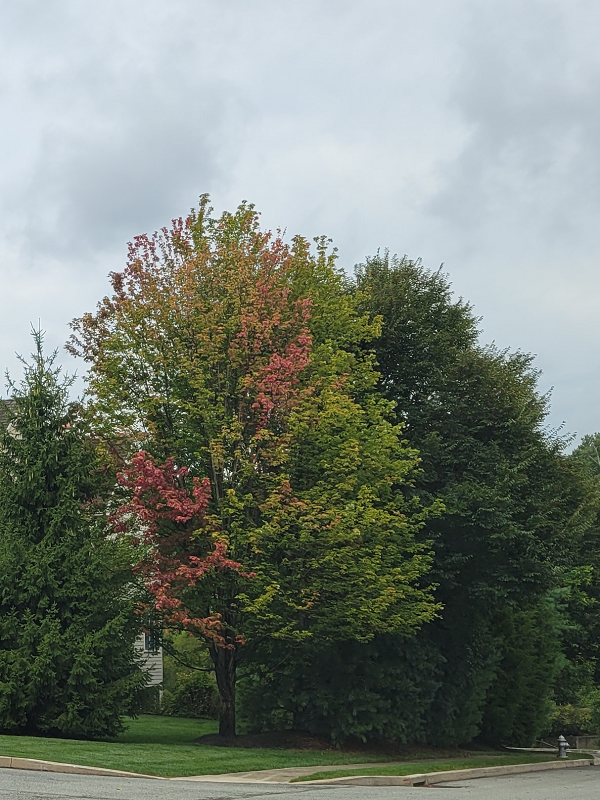
Maple
How Do I Get Rid of Phytophthora Root Rot?
Water and drainage are among the most important factors when managing or preventing Phytophthora root rot. First, plants need the correct amount of water, as overwatering (to the point of creating standing water around the base of trees or other plants) facilitates growth of this fungal disease. Second, proper drainage, which can be accomplished by breaking up compacted soil, is necessary to prevent excessive moisture in the soil.
Chemical controls can also be used in conjunction with water and drainage management. Fungicides need to be applied carefully and with professional guidance to maintain the health of other plants and the overall landscape. Another factor to consider is removing the infected plant. Removing an infected plant may be necessary to prevent the disease from spreading to other plants nearby. This is best done in winter since oospores prefer warm temperatures and are less likely to infect other plants.
What Plants Are Resistant to Phytophthora Root Rot?
If you are considering planting new plants in your landscape, we advise you to choose plants resistant to Phytophthora root rot. Below are 3 plants that are resistant to the fungal disease and native to Pennsylvania:
- Summersweet (also known as “Tom’s Compact Summersweet) a compact variety of flowering shrub that produces upright, candle-like, 6-inch-long white flower spires in summer.
- Sweetspire – a rounded, spreading, fragrant shrub with drooping spires of fragrant white flowers.
- Eastern ninebark – a deciduous shrub that grows 6 to 10 feet tall and wide, with green leaves 1 to 3 inches long. Small, pink-white flowers bloom in spring and red fruits appear in fall.
By planting flowers that are resistant to this fungal disease, you can prevent your landscapes from ever being afflicted.
Contact Burkholder PHC for Plant Health Care Services
If your plants show symptoms of Phytophthora root rot or other diseases, contact Burkholder PHC. Our team of experienced, qualified plant health care experts will evaluate the health and condition of your plants, diagnose the problems, and provide you with the recommended treatment options to keep your plants healthy and vibrant. Our proactive and holistic approach helps encourage and maintain the conditions that are best for your landscape. Contact us today for a free consultation.
Recent Posts
Beech Leaf Disease Update December 2025
Science-Based Protection for Your Beech Trees from Certified Arborists and Plant Biologists Beech leaf disease is killing trees across southeastern Pennsylvania. American beech, European beech, copper beech, weeping beech—all are…
Upgrade Your Outdoor Living Space with Outdoor Lighting
Your outdoor spaces add real livable area to your home: places to gather, relax, and enjoy the landscape you’ve invested in. The right landscape lighting makes those spaces welcoming after…
Why Investing in Landscape Design Pays for Itself
What Value Does a Landscape Design Offer? A beautifully landscaped yard isn’t just a visual delight, it’s a strategic investment that boosts your property’s value, simplifies ongoing maintenance, and creates…