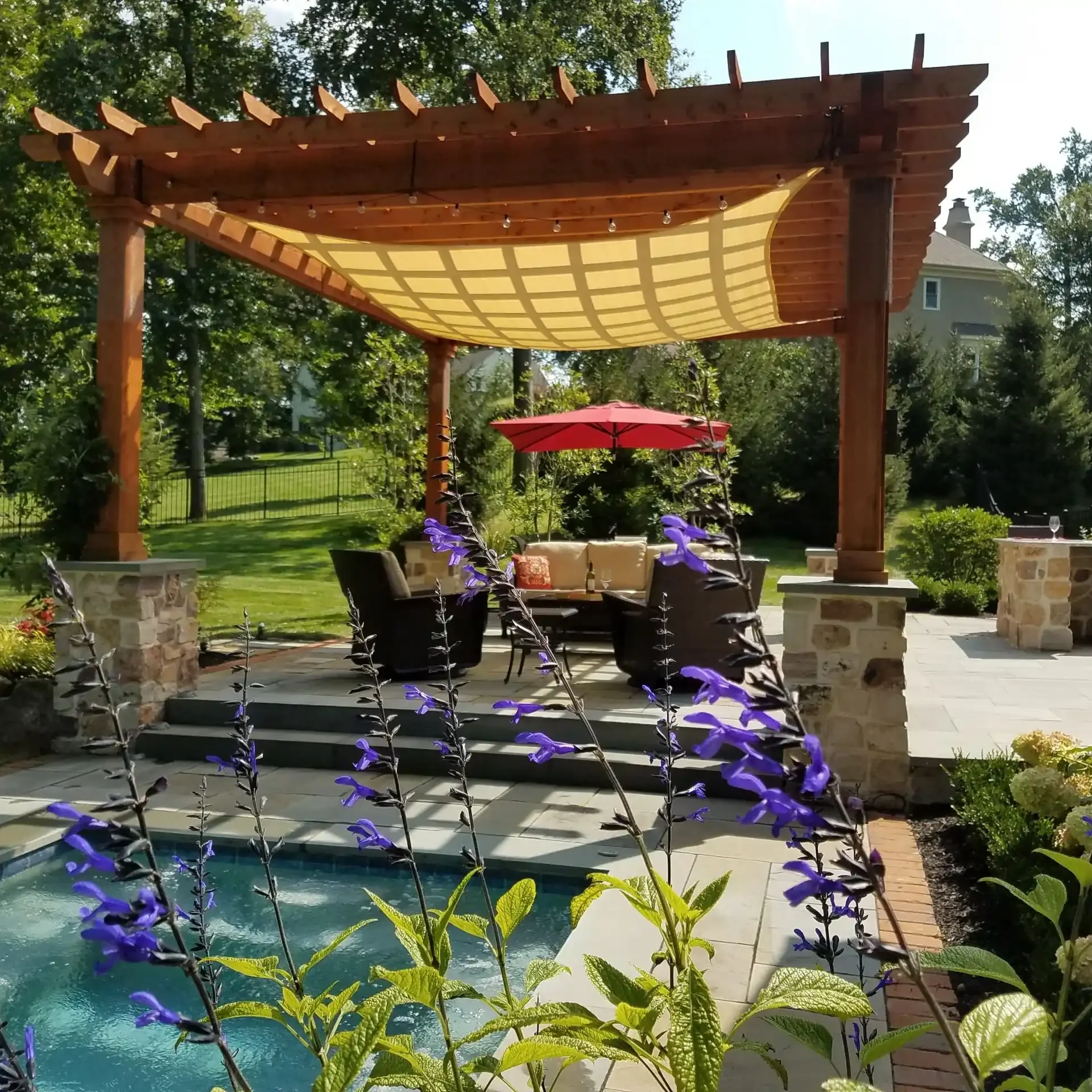
Protect The Outdoor Spaces Your Family Uses Most
When mosquitoes and ticks make your patio, lawn, garden beds, and shaded areas uncomfortable, mosquito & tick control in Malvern, Pennsylvania, gives your family a better way to use your property.
Burkholder PHC works with homeowners who care about how their outdoor spaces look, feel, and perform over time. This service is part of a larger plant health care approach led by ISA Certified Arborists and trained specialists who understand the relationship between insect pressure, plant biology, moisture, shade, turf, trees, and shrubs.
Mosquitoes and ticks are considered as part of a larger property picture. Dense plantings, damp shade, lawn edges, leaf litter, and wooded borders can all influence pest pressure. Burkholder PHC reviews those conditions with the same care applied to trees, shrubs, soil, and long-term landscape performance.
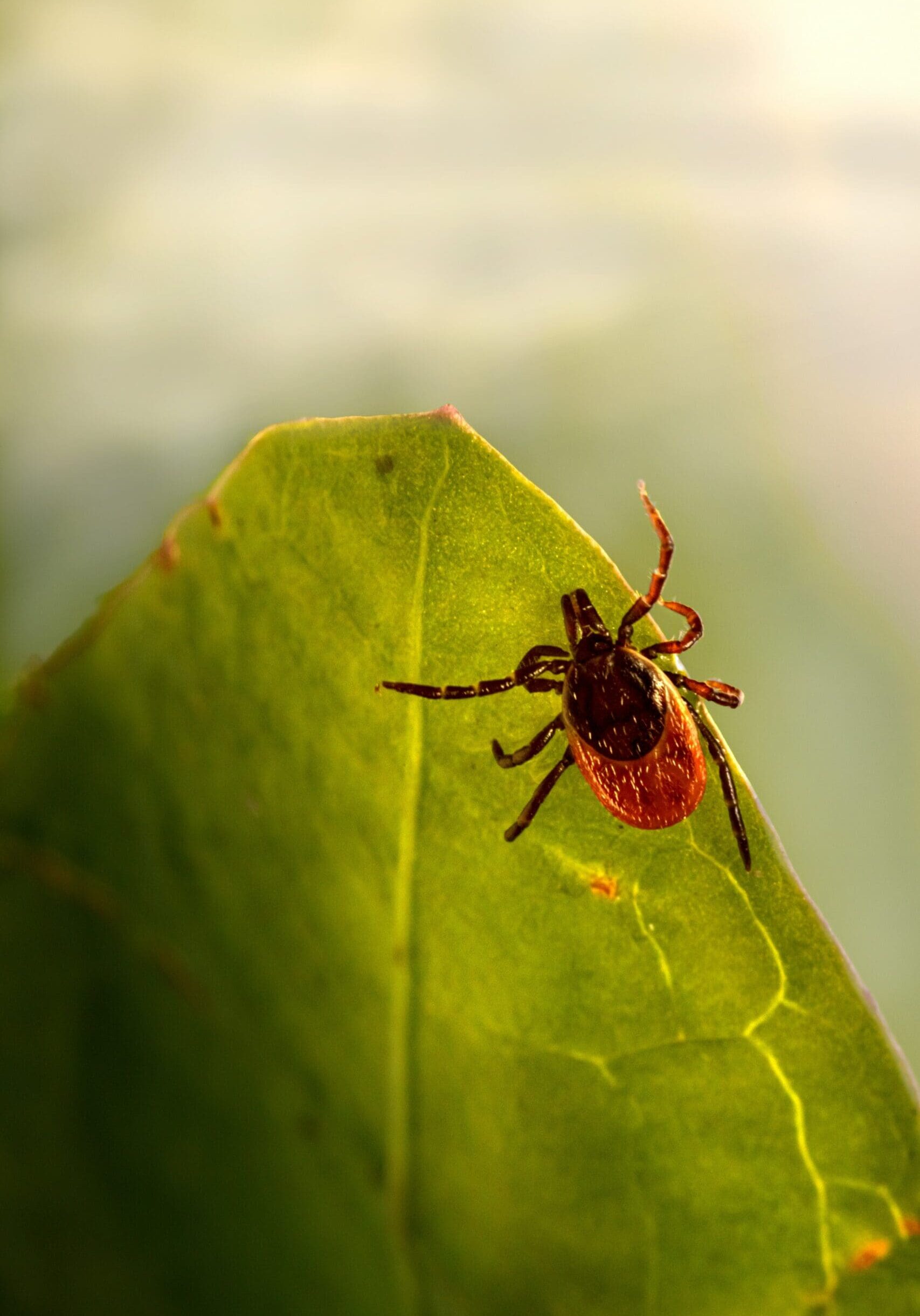
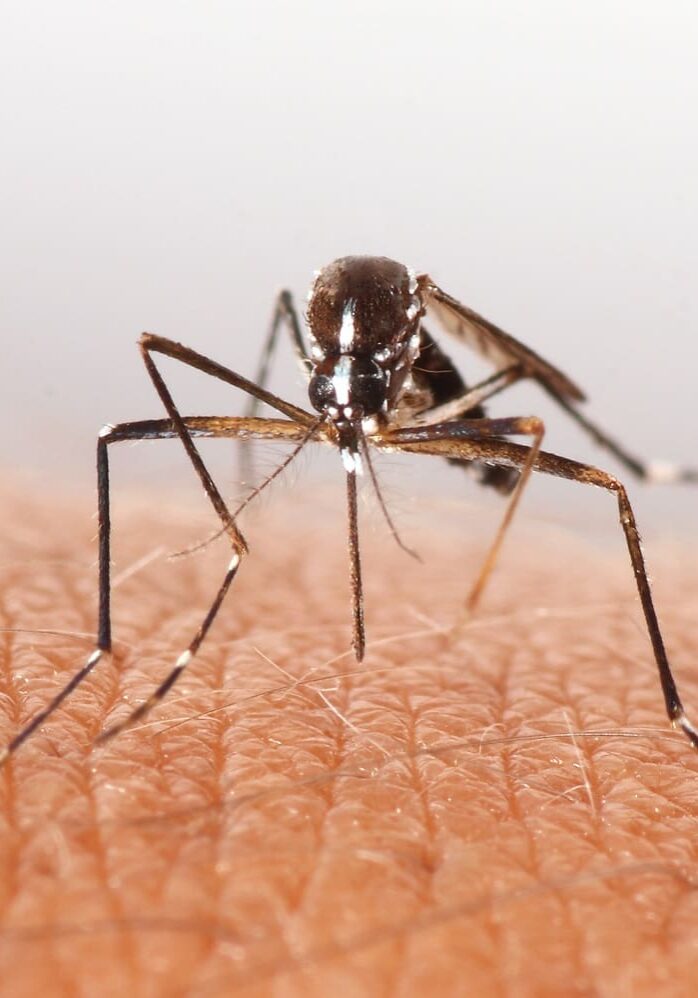
Your Yard Needs More Than A Quick Treatment
Your property may have patios, wooded edges, planting beds, lawn areas, and outdoor rooms that each require different attention. A short-term spray can reduce activity for a time, but a better plan looks at where pests live, breed, and return.
When this problem is handled well, the yard feels easier to use. Dinner outside becomes more comfortable. Kids and pets can spend time on the lawn with less worry. Guests notice the space, not the bugs.
- Fewer mosquitoes around patios, pools, gardens, and gathering spaces
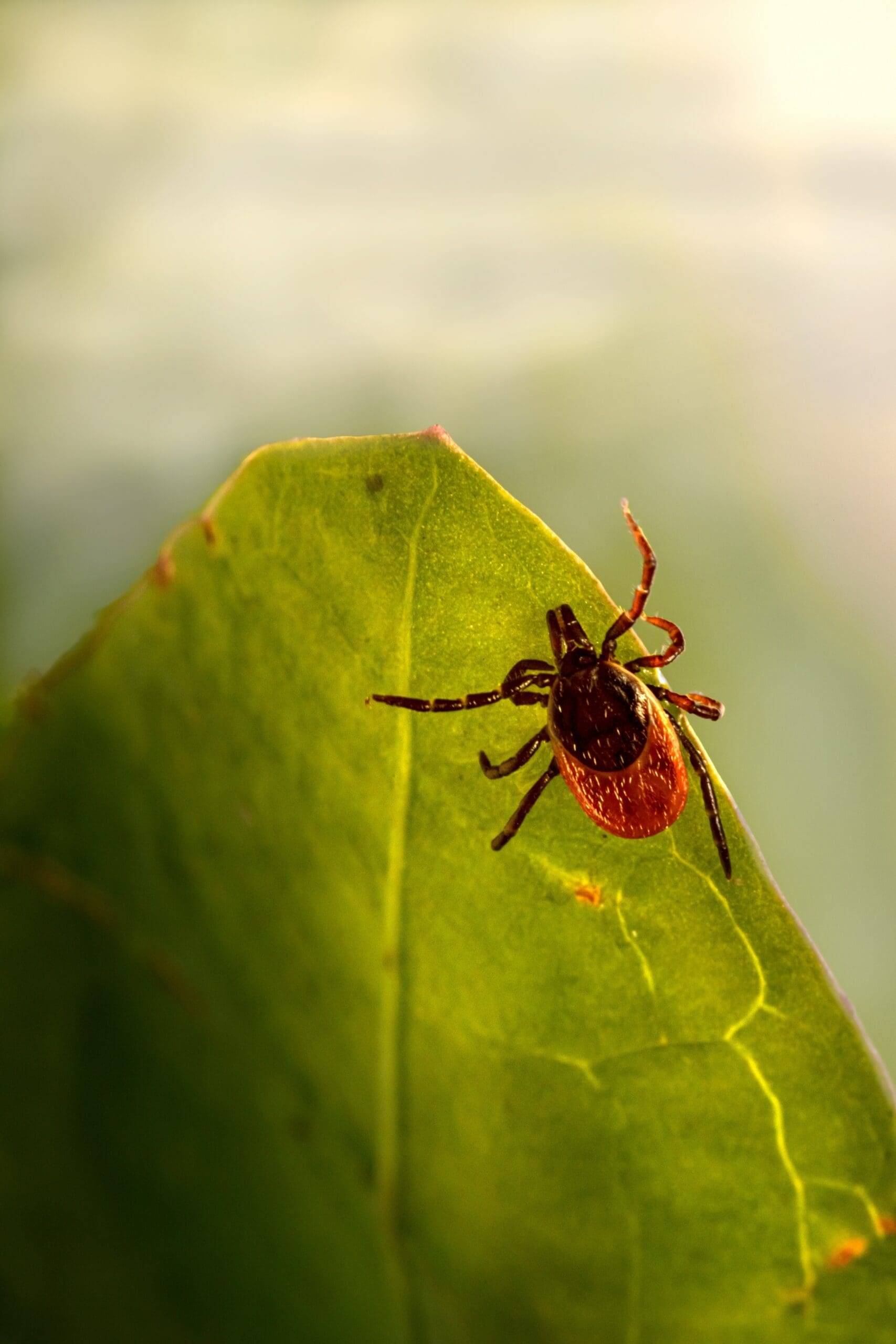
- Reduced tick risk near lawn edges, wooded borders, and planting beds
- Less dependence on store-bought sprays before time outside
- A property reviewed by people who understand plants, turf, and pest pressure
The right approach helps your landscape feel like a place to enjoy, not a place to avoid.
See How Thoughtful Care Protects The Spaces People Love
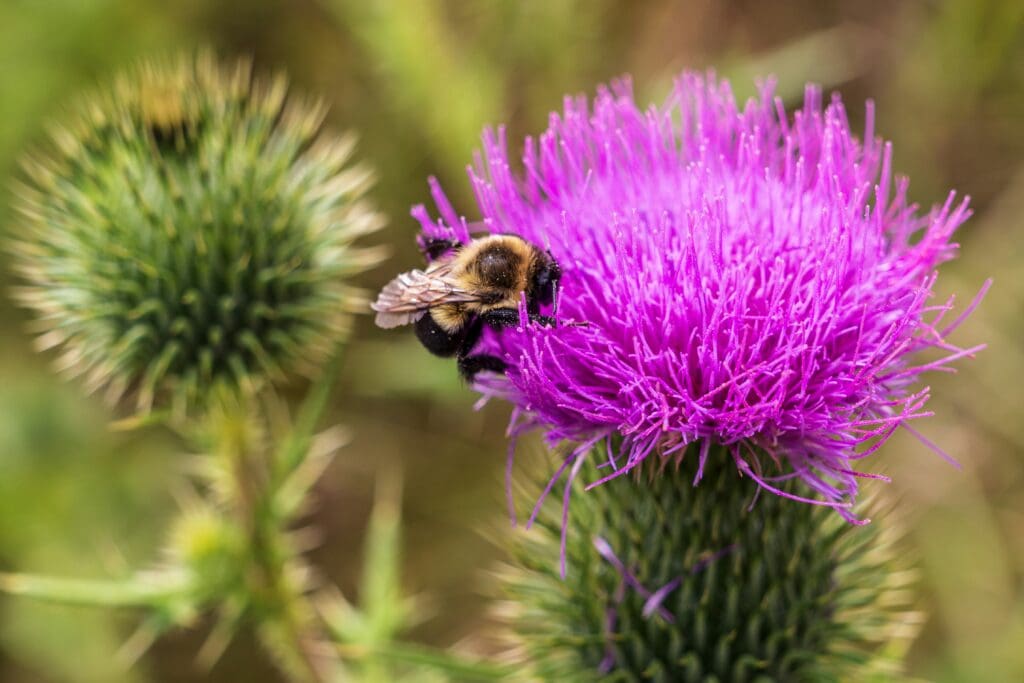
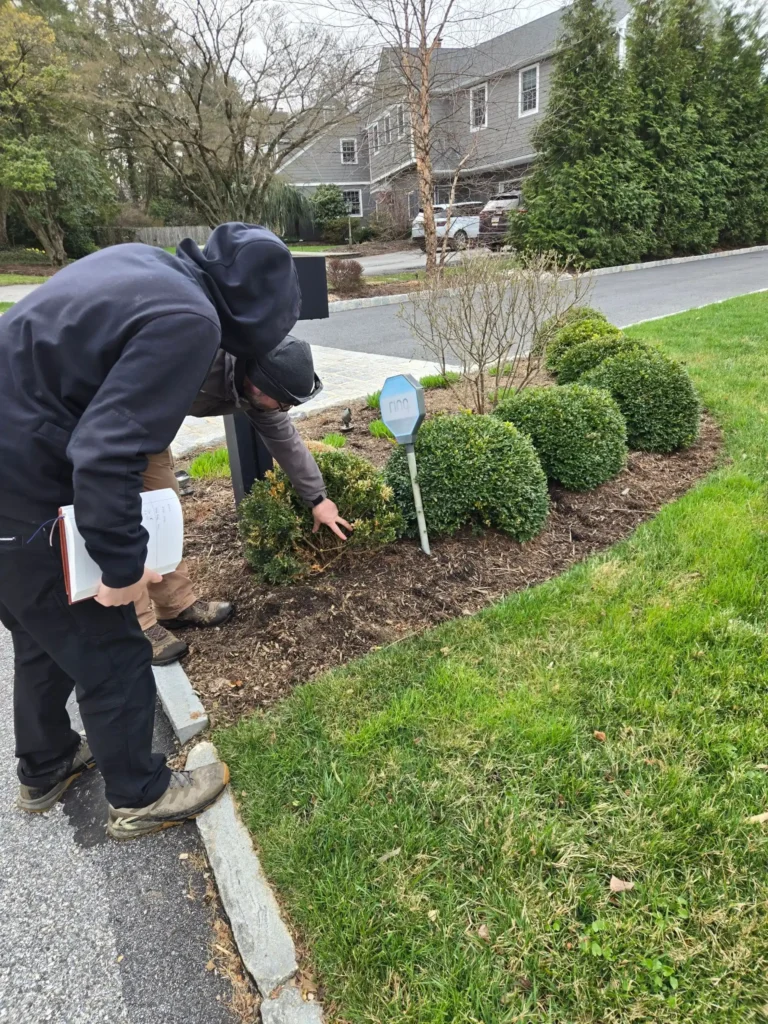
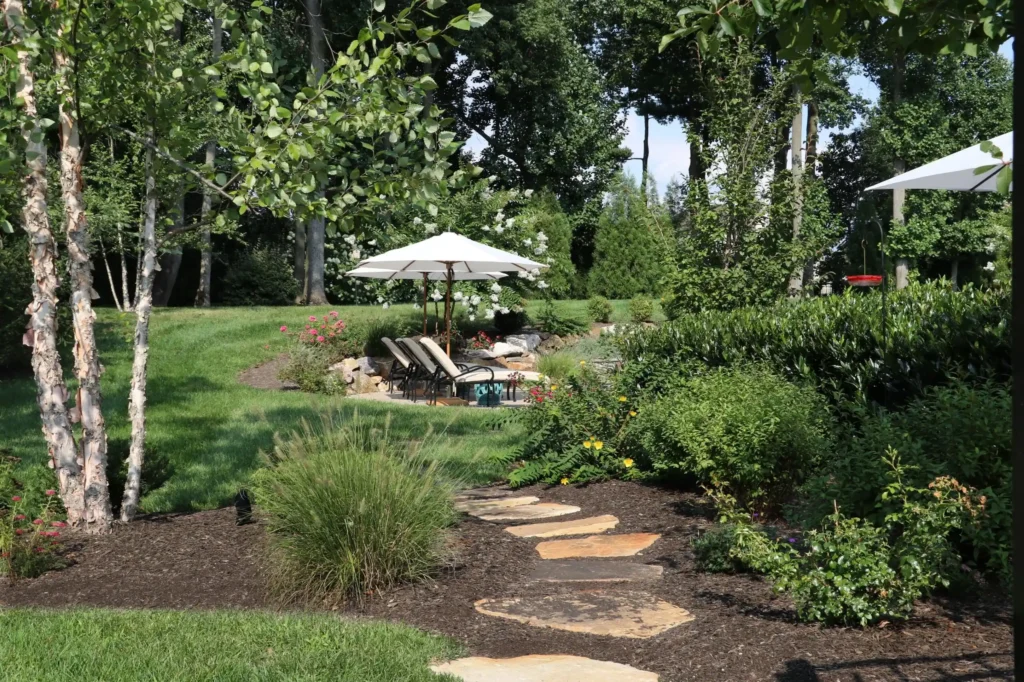
Each project reflects a plan that was defined early and carried through with care. From large estate properties to focused improvements, the same level of care applies. Materials are selected for performance in the local climate, and layouts are designed around how the property is used day to day.
The relationship continues beyond installation, supporting the landscape as it matures over time.

-768x1024.webp)

.webp)
Care For The Yard You Have Today And The Landscape You Want Long Term
Burkholder handles every aspect of your outdoor space under one roof. Everything from design to daily care is managed by a connected team, maintaining a consistent standard across your entire property.
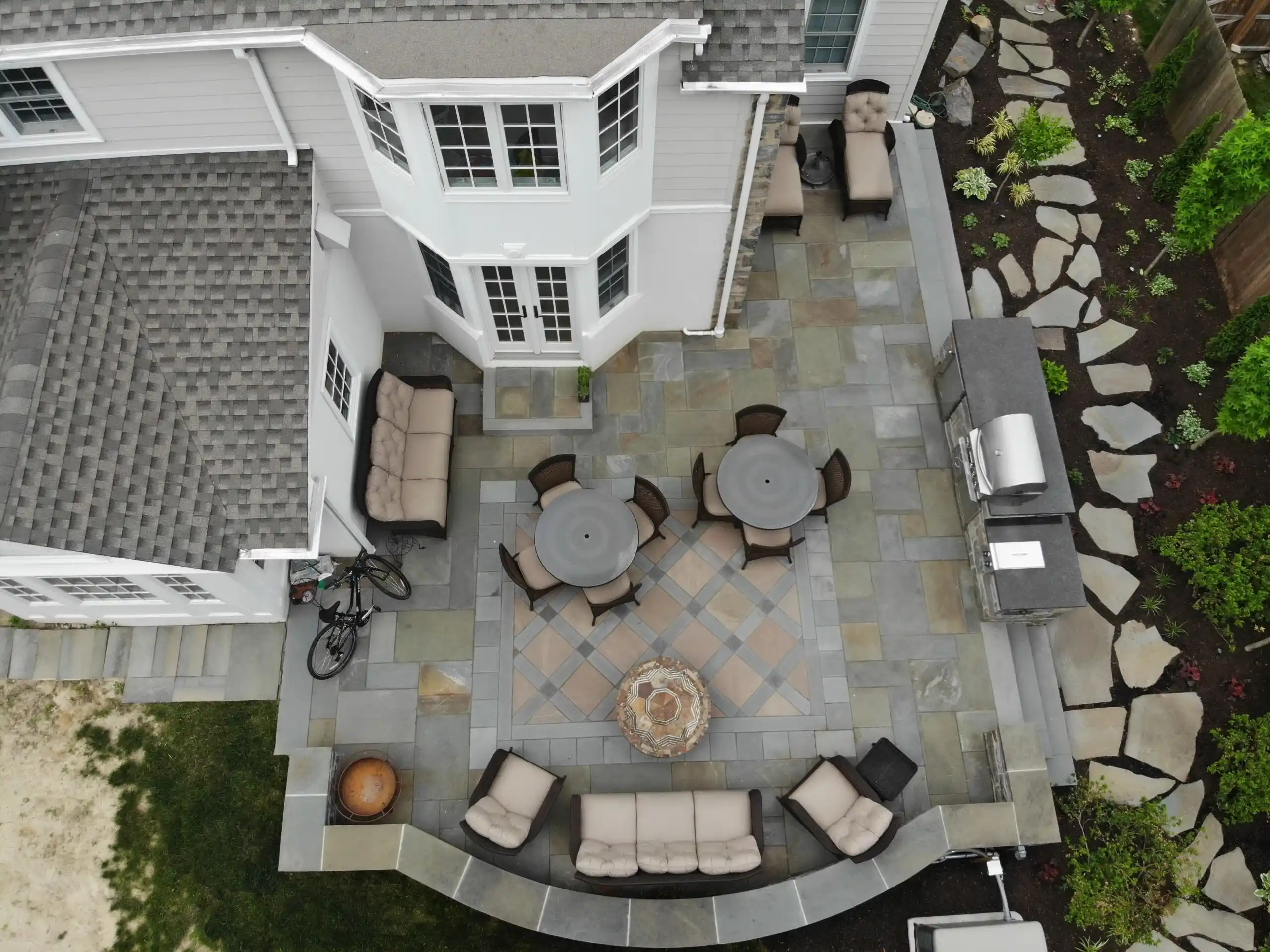
Landscape Design
A well-designed landscape should fit your property, your lifestyle, and the way you want to use the space. Designed for homeowners who want a landscape that reflects how they live and use their space, and wants expert guidance on the details, materials, layout, and extras that will make it work beautifully. The process is built around asking the right questions early, thinking through drainage and grading, understanding how the space will be furnished and used, and helping you avoid costly regrets later.
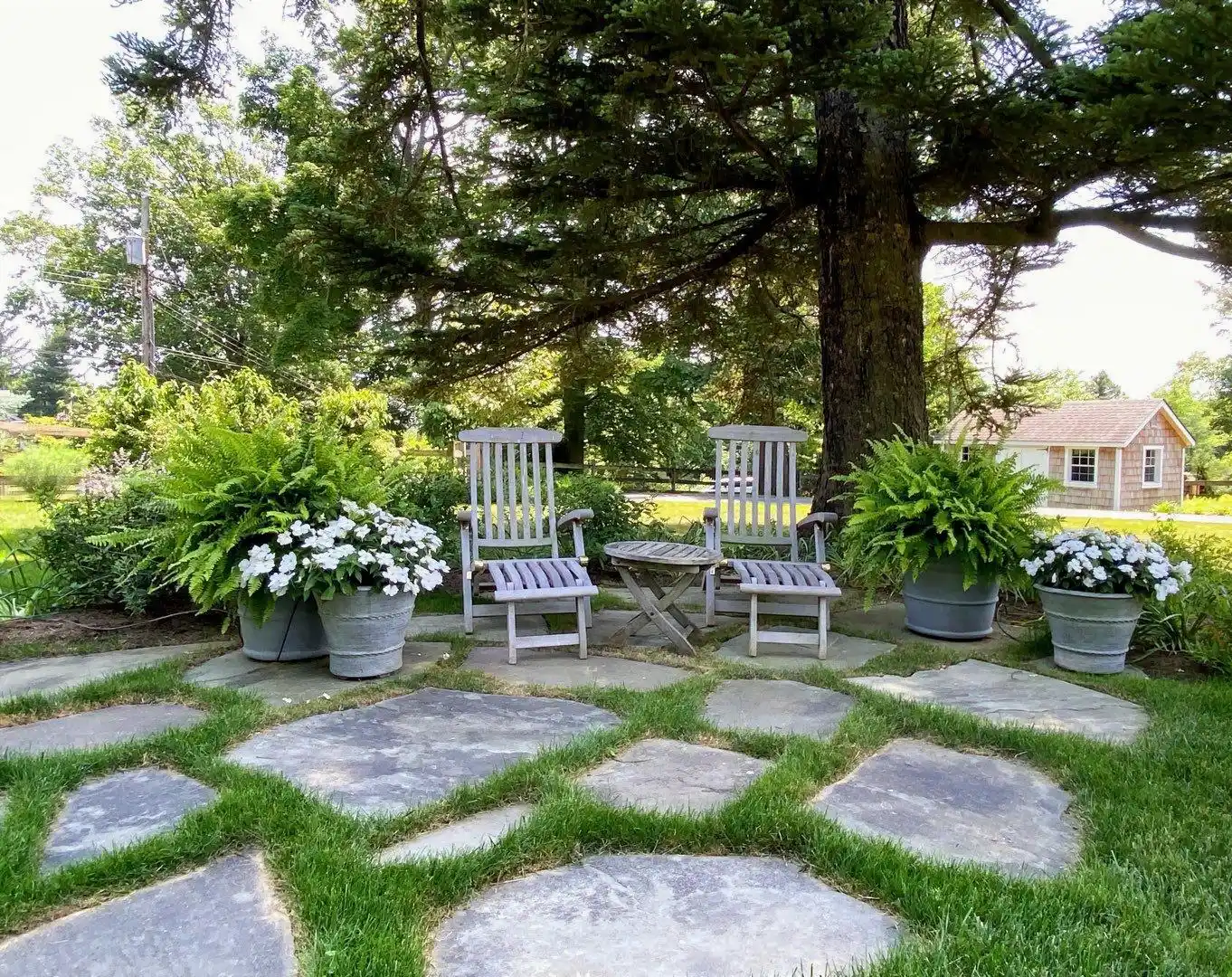
Landscape Installation
Your project is built by dedicated crews assigned to your property. That means better focus, better communication, and a smoother experience while work is underway. You get skilled installation backed by a team that stays involved, keeps the site clean, and communicates with you from the first call through post-install care and warranty.
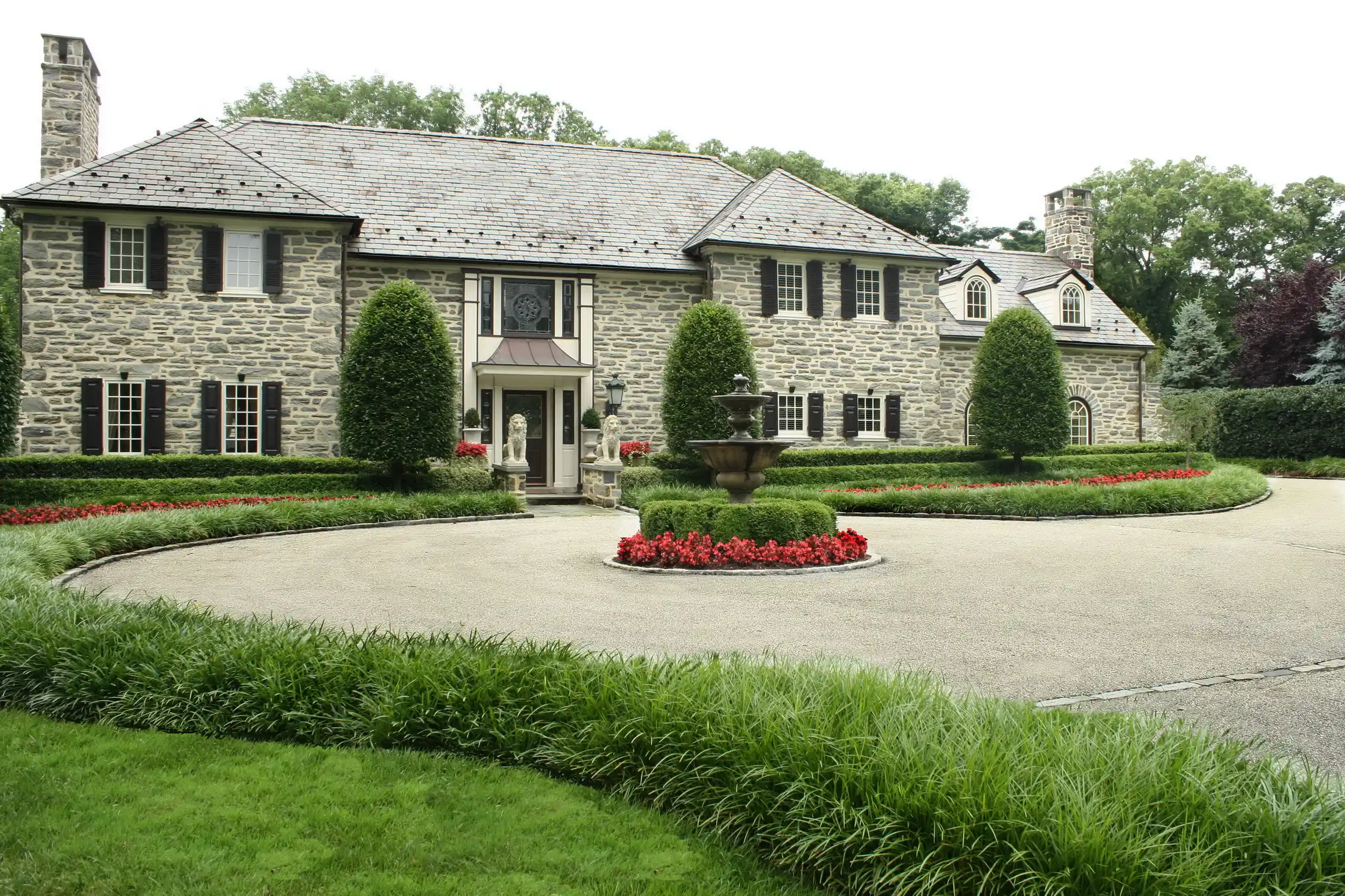
Landscape Maintenance
Maintenance services are structured for homeowners who want a consistent, professional team caring for every detail of their property throughout the year. Services include edging, mulch, garden maintenance, lawn aeration, lawn care, lawn treatment, seasonal cleanup, seasonal lawn care, leaf removal, lawn mowing, shrub pruning, and seasonal enhancements. You get a team that already knows your property and helps protect what has already been built.
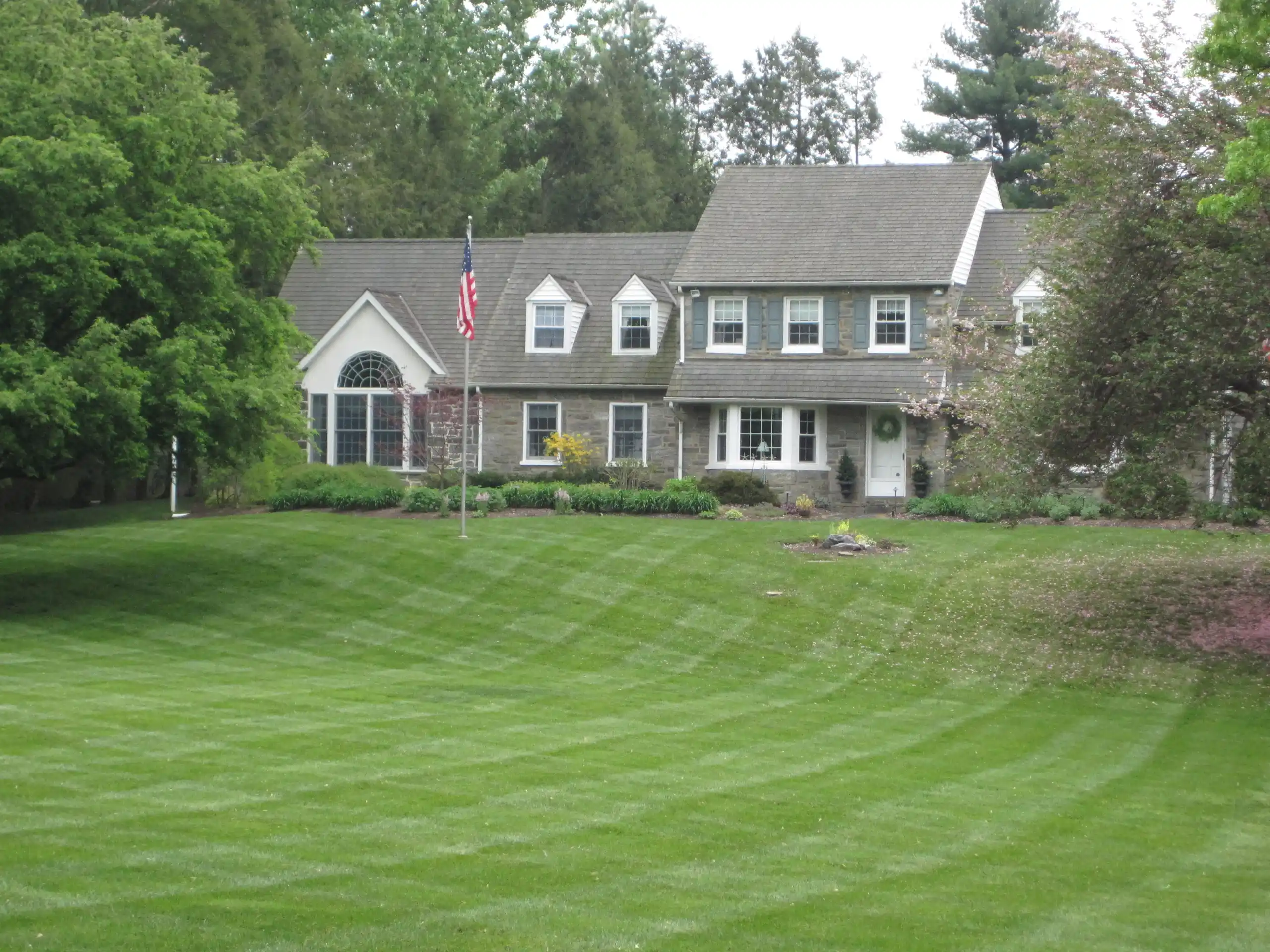
Turf Care
Your lawn needs a program tailored to the specific requirements of your lawn. Turf care is built around the actual condition of your lawn and what it needs to improve over time. Services include fertilization, weed control, overseeding, lawn renovations, aeration, and insect and disease control. When turf care is handled alongside maintenance and plant health care, your whole property gets better attention.
Plant Health Care
Plant health care is a specialized service focused on the biology of your trees, shrubs, and planting beds, not just surface-level appearance. Burkholder’s team includes certified arborists and experts who are able to identify, monitor, and treat plant problems with precision. Services include plant pest management, corrective pruning, shrub care, soil care, mosquito and tick control, deer control, weed control, tree care, and much more. This is the kind of service that helps protect your landscape investment after installation and keep it performing season after season.
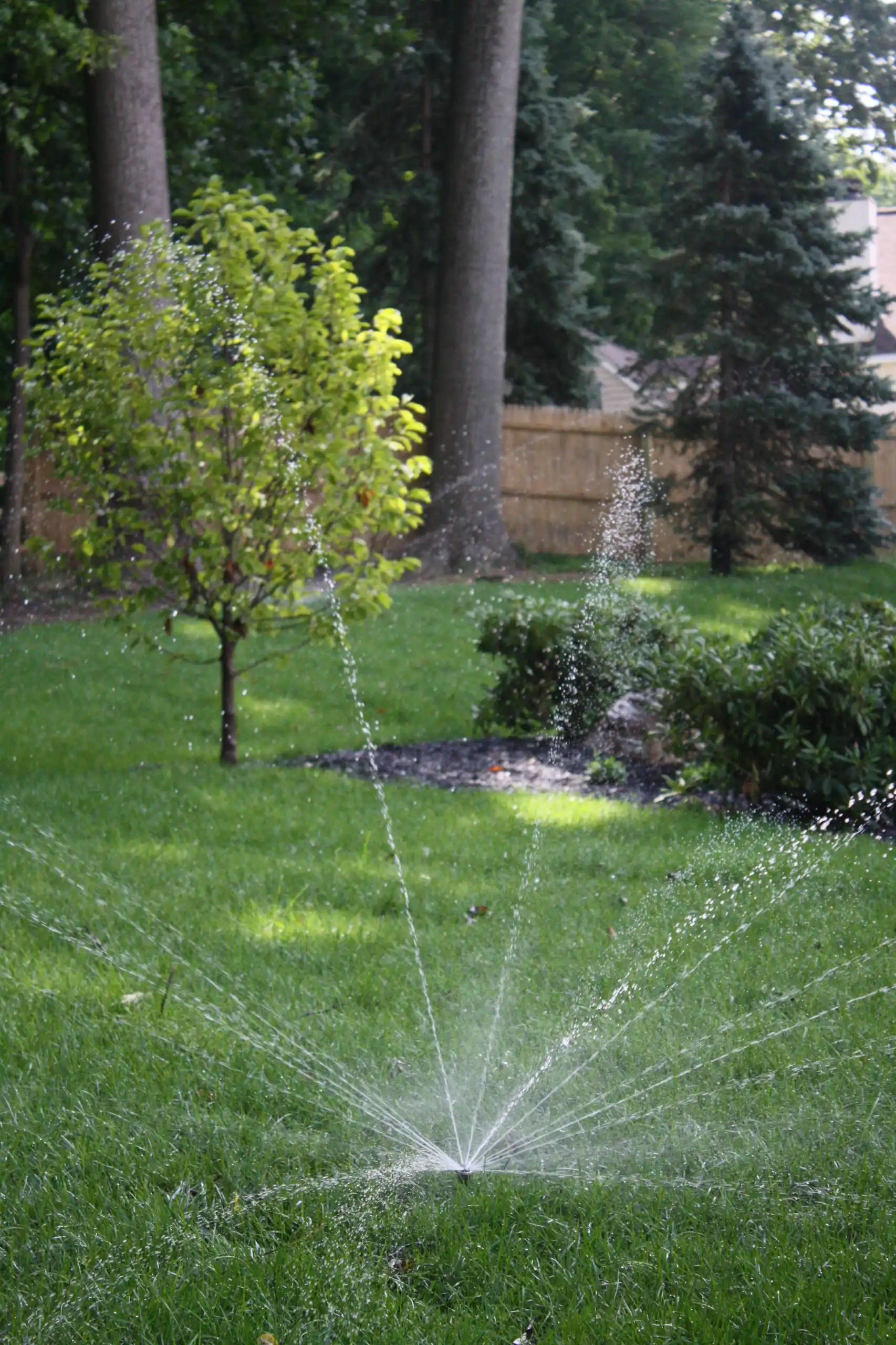
Sprinklers and Irrigation
Your irrigation system should work with the rest of your landscape, not separately from it. Burkholder handles irrigation installation, service, and maintenance so watering adjustments, seasonal changes, and new plantings can all be managed by the same team. That gives you better coordination and fewer missed details.
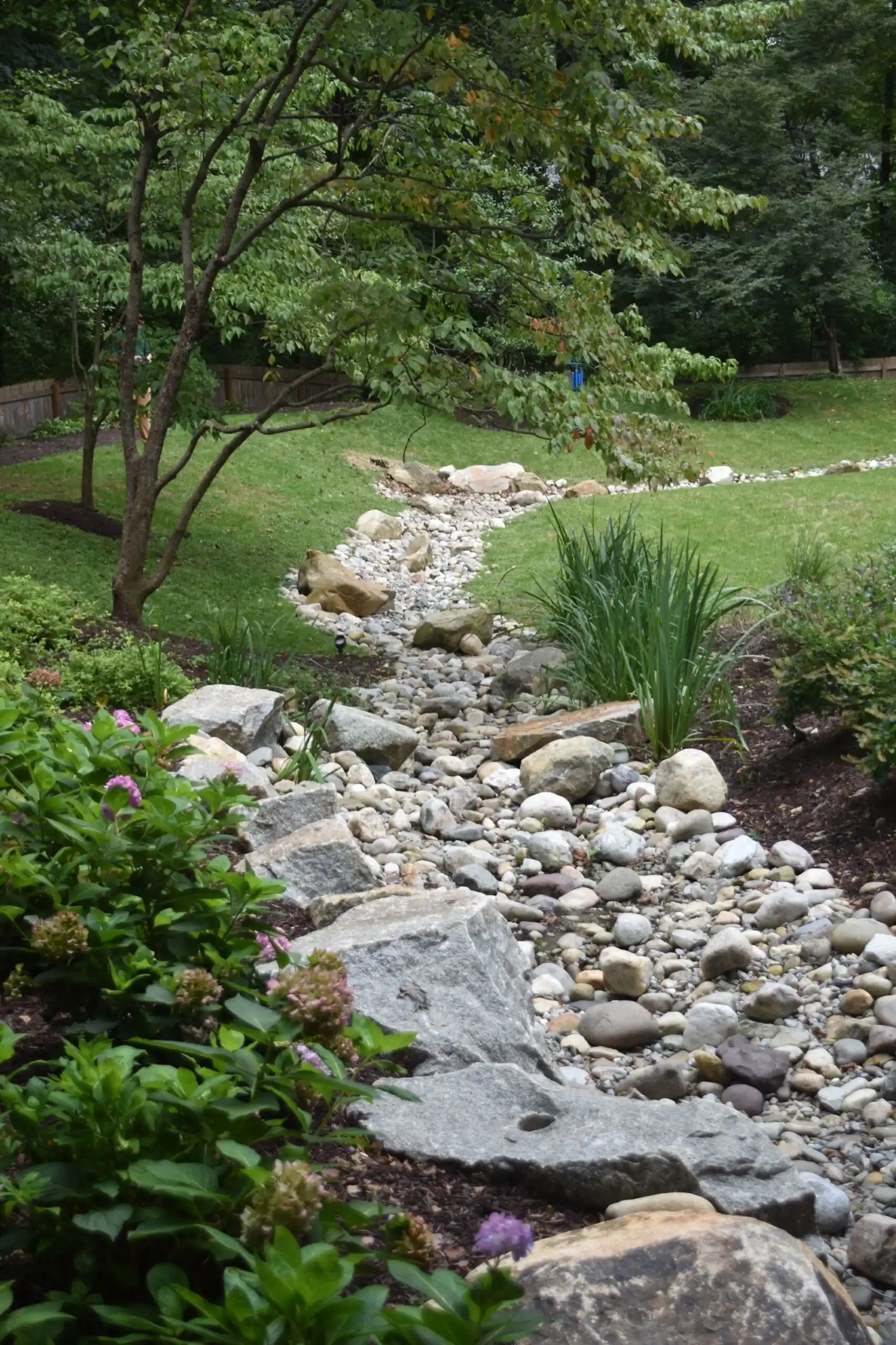
Drainage
Drainage is part of planning your landscape the right way, especially when grading, runoff, and how water moves across the property can affect everything else. Burkholder looks at where the water is going, how the site functions, and what needs to happen below the surface so the finished project performs as well as it looks.
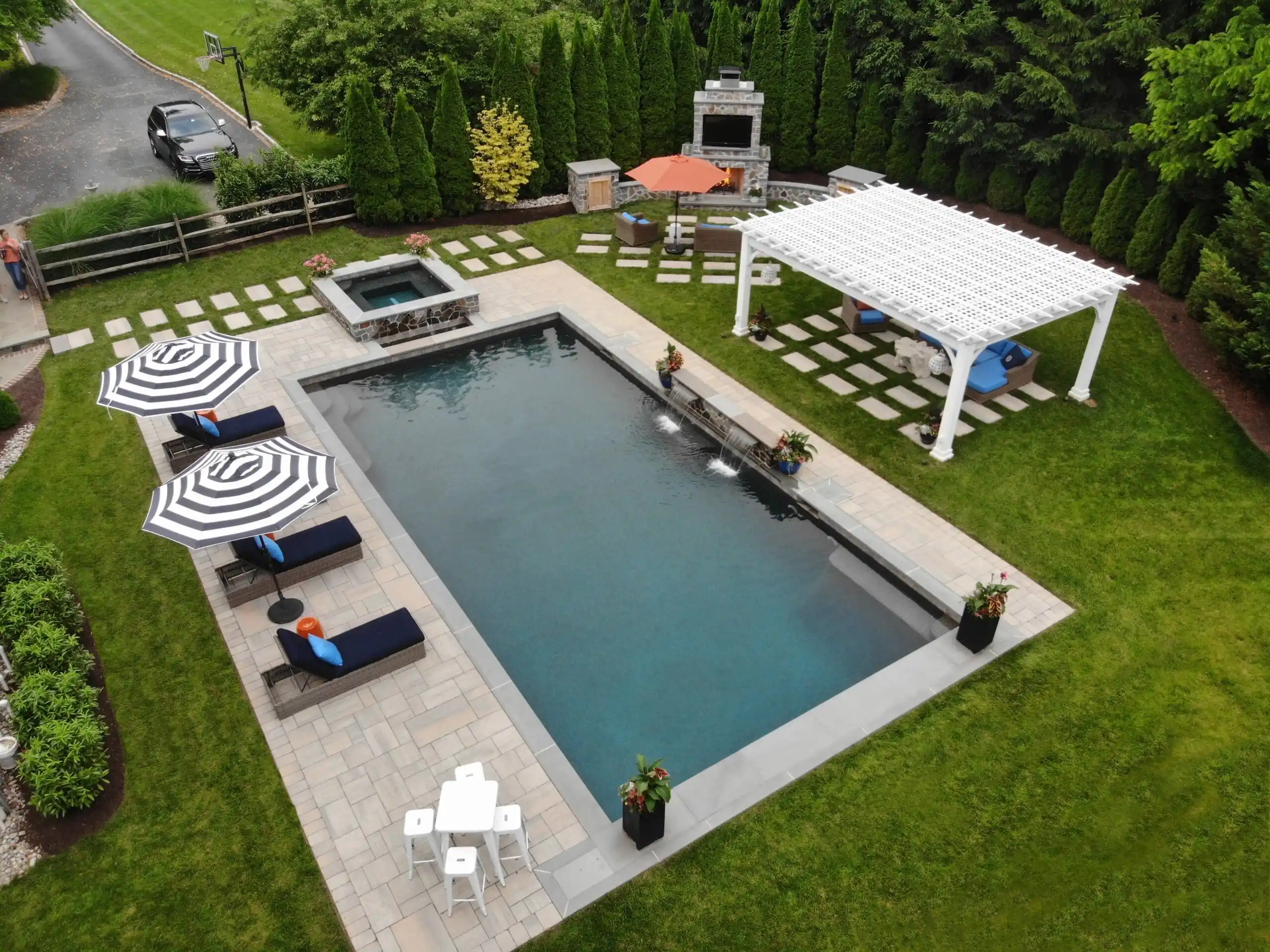
Pools
A pool should feel like it belongs on your property, designed as a part of a cohesive plan. Burkholder approaches pools as part of the larger outdoor environment, so the pool, decking, landscaping, and surrounding spaces work together.
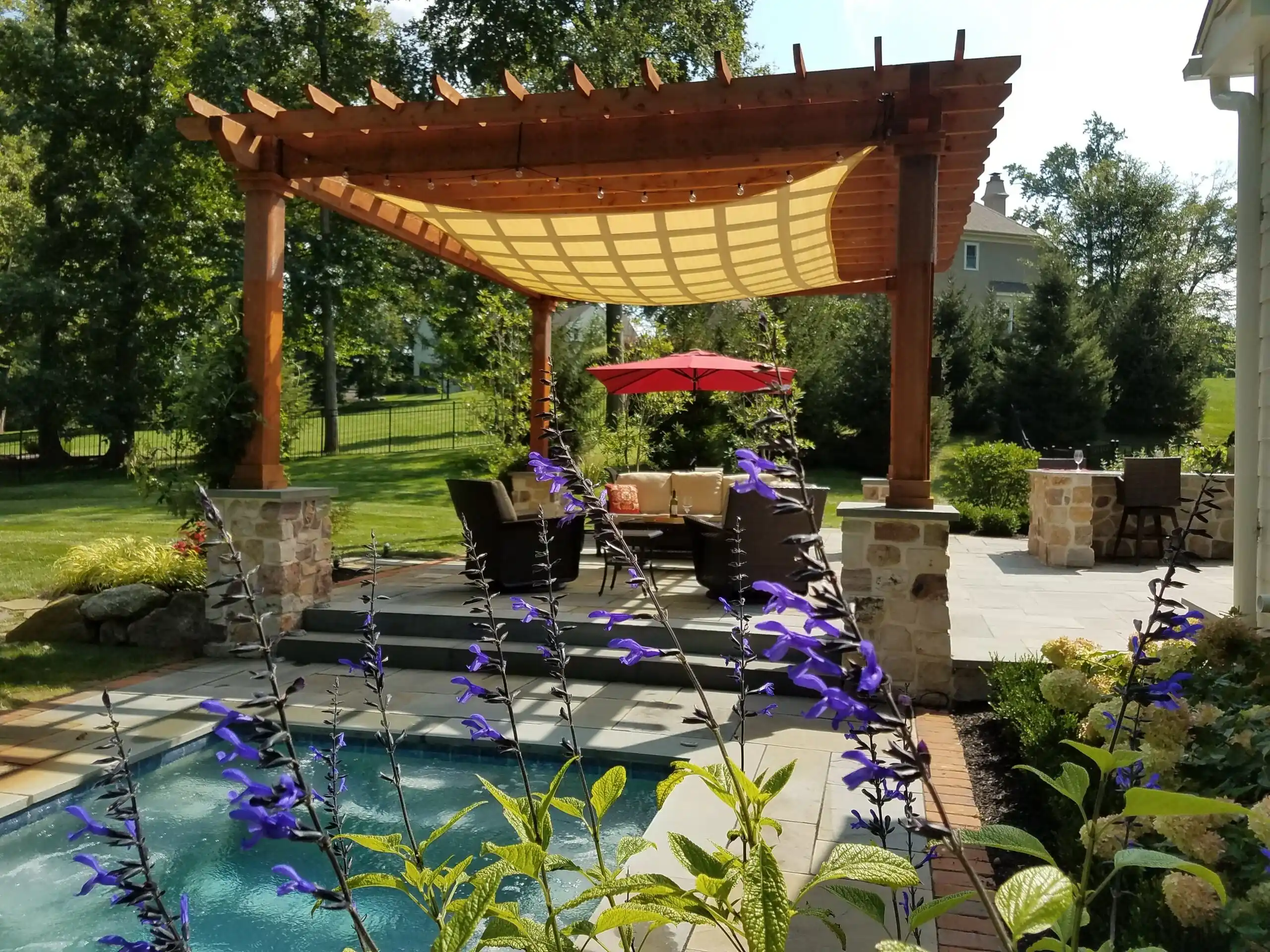
Outdoor Living
Your outdoor space should support the way you relax, entertain, and spend time at home. Burkholder designs and builds outdoor living areas as natural extensions of the home, with the same level of thought given to layout, materials, comfort, and long-term performance. Pergolas, pavilions, outdoor kitchens, fire features, seating walls, and landscape audio are all designed with the full property in mind.
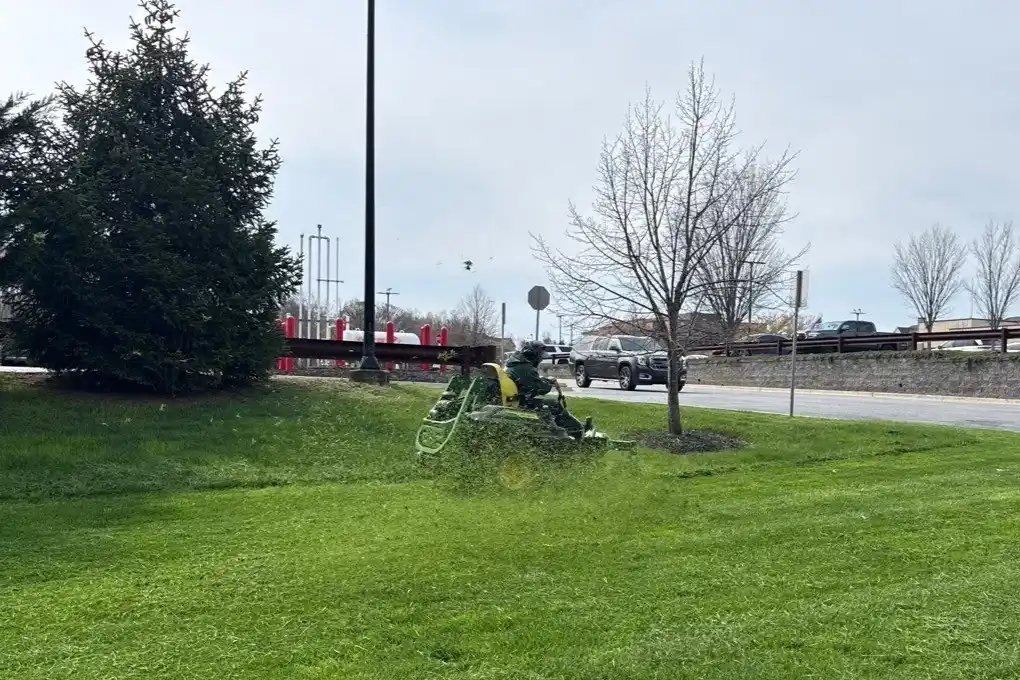
Commercial Landscape Services
Commercial properties need a team that is reliable, professional, and easy to work with. Burkholder provides commercial landscape maintenance, snow and ice management, and landscape installation services for commercial properties and HOAs. You get a dedicated point of contact, predictable scheduling, and a crew that shows up ready to represent your property well.
A Better Way To Control Pests Around The Places You Actually Use
Mosquito & tick control works best when it supports the rest of your landscape care. Burkholder PHC reviews the conditions that contribute to pest activity while treating the areas most likely to affect daily use.
Common service elements may include:
- Treatment around patios, pools, gardens, shaded edges, and outdoor living areas
- Tick control near lawn borders, wooded areas, planting beds, and high-use paths
- Review of dense growth, damp areas, leaf litter, and pest-friendly conditions
- Coordination with plant health care, turf care, pruning, and maintenance when needed
- Seasonal recommendations based on property conditions and outdoor use
- Follow-up communication noting what was completed and what was observed
-portrait-84d6b470284c068253f67c3aeafe5045-c3gleavz76fj.webp)
What To Know Before Treating Mosquitoes And Ticks
Treatment frequency depends on property conditions, pest pressure, weather, shade, moisture, and how often the outdoor space is used. A shaded property with planting beds, lawn edges, and wooded borders may need a more consistent seasonal plan.
Burkholder PHC looks at mosquito and tick activity through the lens of the whole landscape. Plant density, shade, turf condition, drainage, pruning, and wooded edges can all influence pest pressure. Treatment is connected to plant health care, so the service supports the property rather than treating pests as an isolated issue.
No. Smaller properties can still have heavy pest activity, especially near patios, pools, gardens, and dense plantings. Burkholder PHC reviews the space and recommends a plan based on the actual conditions.
Yes. Mosquito and tick service can be discussed alongside tree and shrub health, pruning, soil care, turf care, and maintenance, so the property is managed with a broader view.
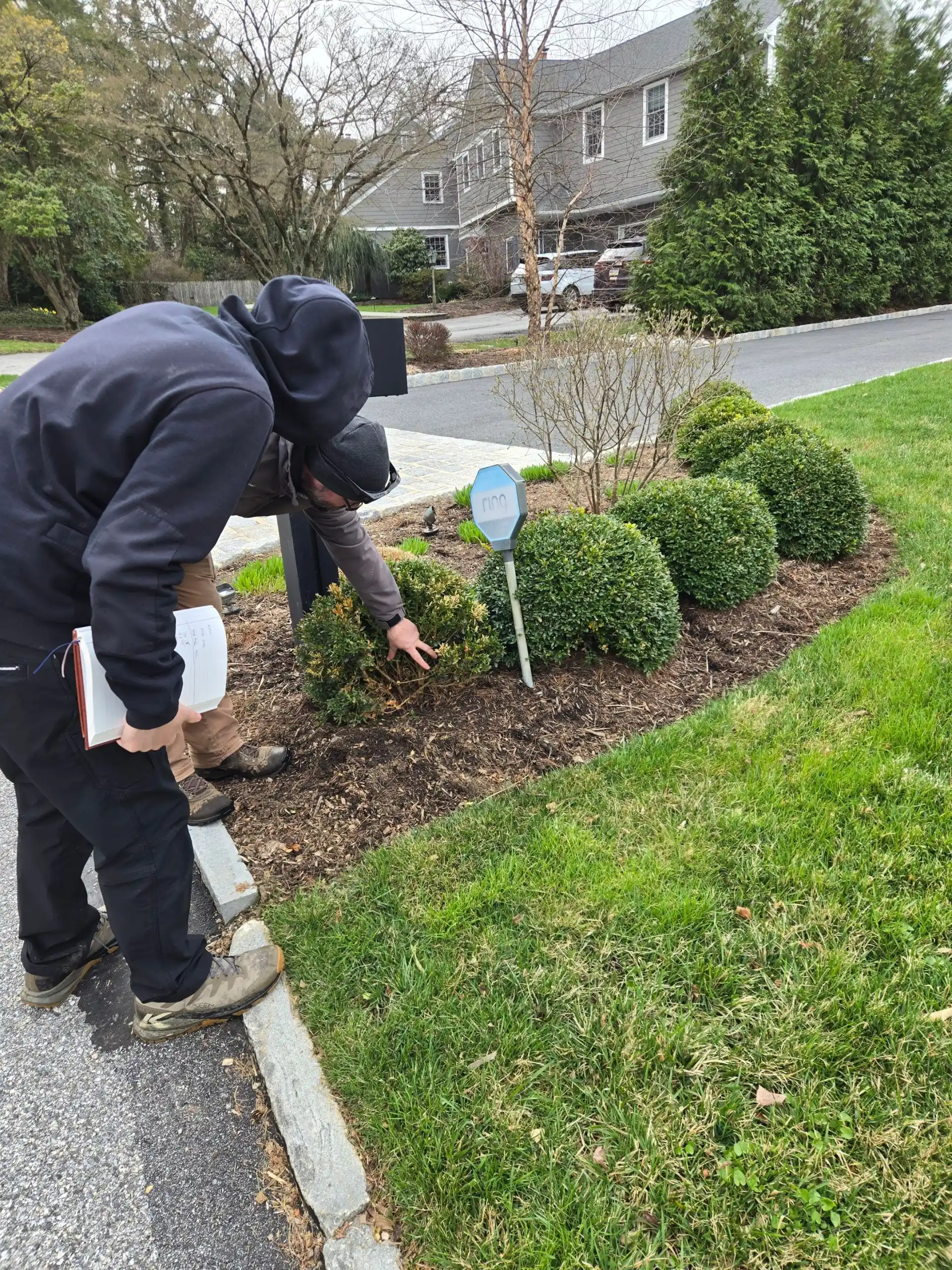
Yes. During visits, the team may notice plant stress, insect activity, disease concerns, drainage issues, dense growth, and other conditions that can affect the landscape. Those observations help guide better decisions before small problems become larger ones.
Yes. Properties near wooded edges often need added attention because ticks and mosquitoes tend to thrive near shade, brush, leaf litter, and damp areas.
Not always. Some plant health care services can be scoped based on the property. If ongoing care would better protect the landscape, that recommendation is discussed before any commitment.
Defined Expectations Before Any Work Begins
A clear process provides structure from the beginning, so each step remains organized and predictable. Responsibilities are outlined, decisions are made with the right information, and each phase builds on the one before it.
You start with a short phone conversation with an expert who listens to your goals, answers questions, and helps determine if the project is a good fit. You get honest guidance on what is realistic for your space, budget range, and timeline. If it makes sense to move forward, the next step is clearly explained before the call ends.
A specialist visits your property to understand your specific concerns and broader needs. For design and build, this includes vision, layout, budget range, and site constraints. For plant health care, it includes plant condition, biology concerns, photos, and measurements. For maintenance and turf, it includes service needs, property size, and overall fit. You receive expert insight on what is possible and what is realistic before moving forward.
You receive your design agreement within one business day. Your project is assigned to the right designer, and early due diligence begins with townships, HOAs, and stormwater requirements. This prevents delays and keeps the design grounded in what can actually be built. For plant health care, or maintenance you'll receive a detailed property analysis and proposal within 48 hours. In every case, you are given the information needed to make a confident decision.
For projects requiring a design, you'll meet your designer on site within about a week. Measurements, photos, inspiration, and functional needs are reviewed in detail. Before the designer leaves, your next meeting is scheduled so momentum is never lost.
You review the concept design in person at the design center, along with samples and materials. The layout, flow, and function of the space are defined, and you receive a high-level budget. Smaller projects move quickly through revisions, while larger projects progress into detailed plans and visualizations.
Once you approve your proposal, work is scheduled and the next steps are put in motion right away. For design and build projects, permits, engineering, and logistics begin while final design details are completed so progress is not delayed. This approach keeps momentum strong instead of waiting months to get started.
Before work begins, the project is reviewed internally so every department involved understands the scope, timeline, and expectations.
For design and build projects, you'll meet with your project management team, who will walk you through logistics, site access, scheduling, and communication so there are no surprises once installation starts.
For ongoing services such as maintenance and plant health care, you are introduced to the professionals who will be caring for your landscape. Together, you review property specifics, service details, and communication preferences on site. From this point forward, you know exactly who your main point of contact is and who is accountable for the work being performed.
For design and build projects, installation begins with a clear plan and a dedicated team on site. Your Project Manager is present regularly, your foreman oversees daily progress, and you receive consistent updates on what has been completed and what is coming next. The job site is kept organized and cleaned up daily so your property is respected while work is underway.
Ongoing maintenance and plant health care services begin based on seasonality and service needs. Visits follow a structured schedule, and you receive call-ahead notifications and follow-up communication outlining what was completed and what was observed. Communication remains steady and predictable so you always know the status of your property.
After installation, final details are addressed and a follow-up care call takes place to make sure everything is complete and performing as expected.
Your relationship does not end after installation or the initial service cycle. Ongoing maintenance and plant health care programs are designed to protect and strengthen your landscape year after year. When Burkholder maintains your property, extended and lifetime plant warranty options are available. With one team overseeing design, installation, maintenance, and plant biology, your property is supported for the long term rather than treated as a one-time project.
Make Your Outdoor Spaces Easier To Use This Season
Expectations are defined before work begins, communication remains steady, and mosquito & tick control is considered within the larger health of the property. Burkholder PHC brings plant health care knowledge, trained observation, and more than 30 years of local experience to landscapes across Malvern, PA and the Main Line. If bites, ticks, and constant bug spray have changed how your family uses the yard, start with a conversation. The right plan can make patios, lawns, garden paths, and outdoor living areas feel more comfortable throughout the season.